

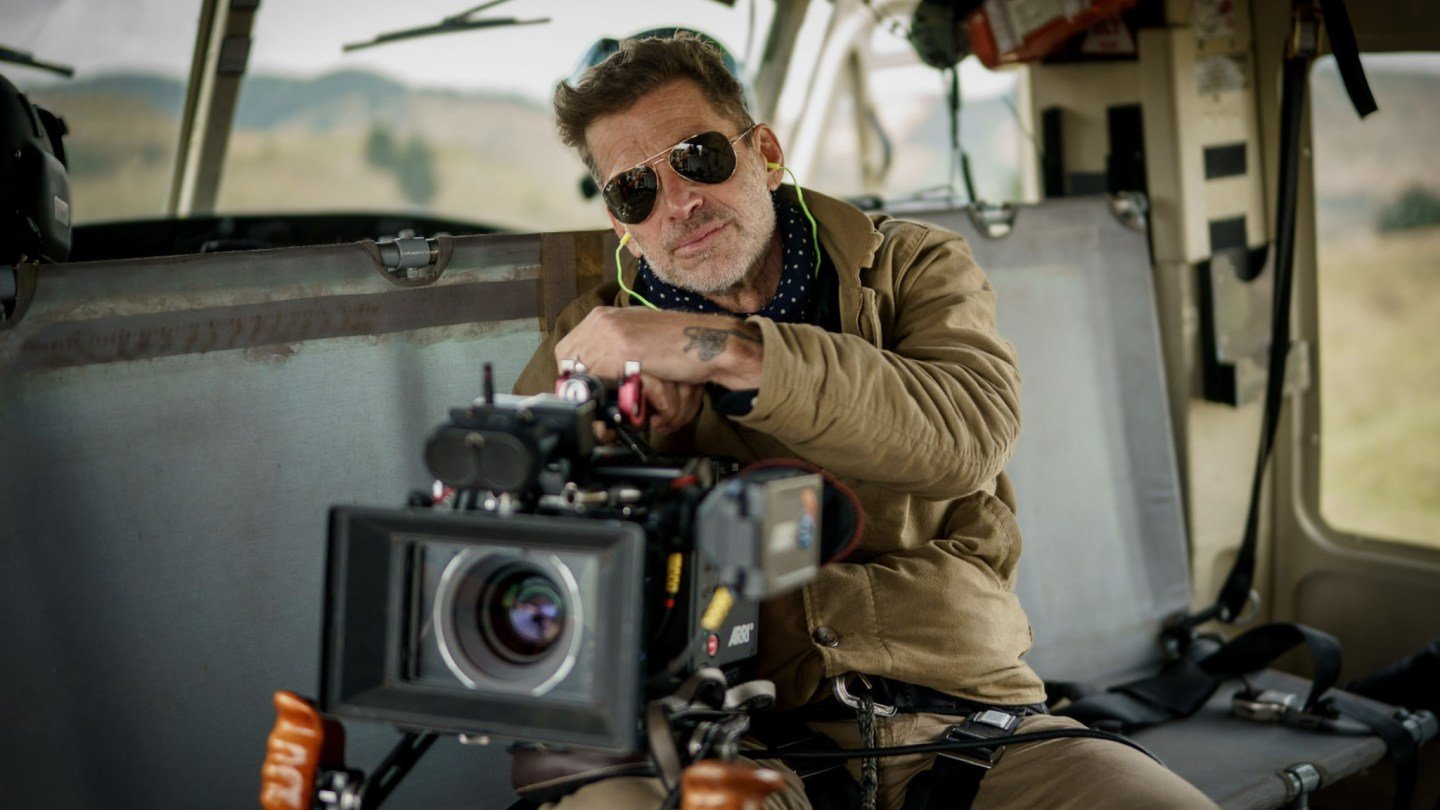
The Zack Snyder Last Photograph interview offers a rare glimpse into a filmmaker abandoning spectacle for something far more intimate. Known for blockbuster epics like “300” and his divisive run through the DC universe, Snyder now steps into independent territory. Notably, this shift finds him trading massive budgets for a single week in the Amazon rainforest, working without the usual studio safety net.
Zack Snyder Last Photograph Interview Explores a Dramatic Career Shift
For years, Snyder built his reputation on scale. Stylized violence, slow-motion choreography, and larger-than-life mythology defined his signature approach. However, “The Last Photograph” pushes him toward a quieter, more personal kind of storytelling.
Instead of soundstages and CGI-heavy sequences, Snyder chose raw location shooting deep in the Amazon. Consequently, the production demanded a different mindset entirely. Cast and crew faced real environmental unpredictability rather than controlled studio conditions.
Why Snyder Stepped Away From Blockbuster Comfort
After years steering massive franchise machinery, Snyder apparently craved creative risk again. Big-budget filmmaking often limits spontaneity, given the pressure of investor expectations and franchise continuity. Therefore, moving toward independent film allowed him room to experiment.
Furthermore, working without a safety net forced a leaner, more instinctive filmmaking process. Every decision carried weight, since resources were limited and conditions were physically demanding. As a result, the project reportedly reshaped how Snyder approaches storytelling itself.
Inside the Amazon Shoot Challenge
Filming for a week in the Amazon presented logistical hurdles rarely seen in studio productions. Humidity, isolation, and unpredictable terrain added constant pressure. Meanwhile, the absence of typical safety infrastructure meant the crew had to adapt quickly.
Such conditions often influence performance and pacing in unexpected ways. In contrast to sanitized studio sets, nature introduced authentic tension the camera could capture directly. Consequently, the finished film reportedly carries a rawness that mirrors its production circumstances.
Key elements that reportedly shaped the shoot include:
- Minimal crew size compared to typical Snyder productions
- Real environmental risk instead of simulated danger
- Limited technical support in a remote location
- A tighter, faster shooting schedule
What This Means for Snyder’s Creative Direction
This experience seems to mark a turning point rather than a one-off experiment. Notably, stepping outside blockbuster machinery gave Snyder creative independence he hasn’t had in years. Additionally, the shift suggests he wants to explore smaller, character-driven narratives moving forward.
Meanwhile, fans accustomed to his stylized action sequences may see a more grounded storytelling voice emerge. Therefore, “The Last Photograph” positions itself as both a personal risk and an artistic reset for the director.
Ultimately, the Zack Snyder Last Photograph interview reveals more than behind-the-scenes details. It captures a filmmaker choosing vulnerability over comfort, and instinct over spectacle. Finally, it suggests that his next chapter may look nothing like the DC era that made him famous.
