

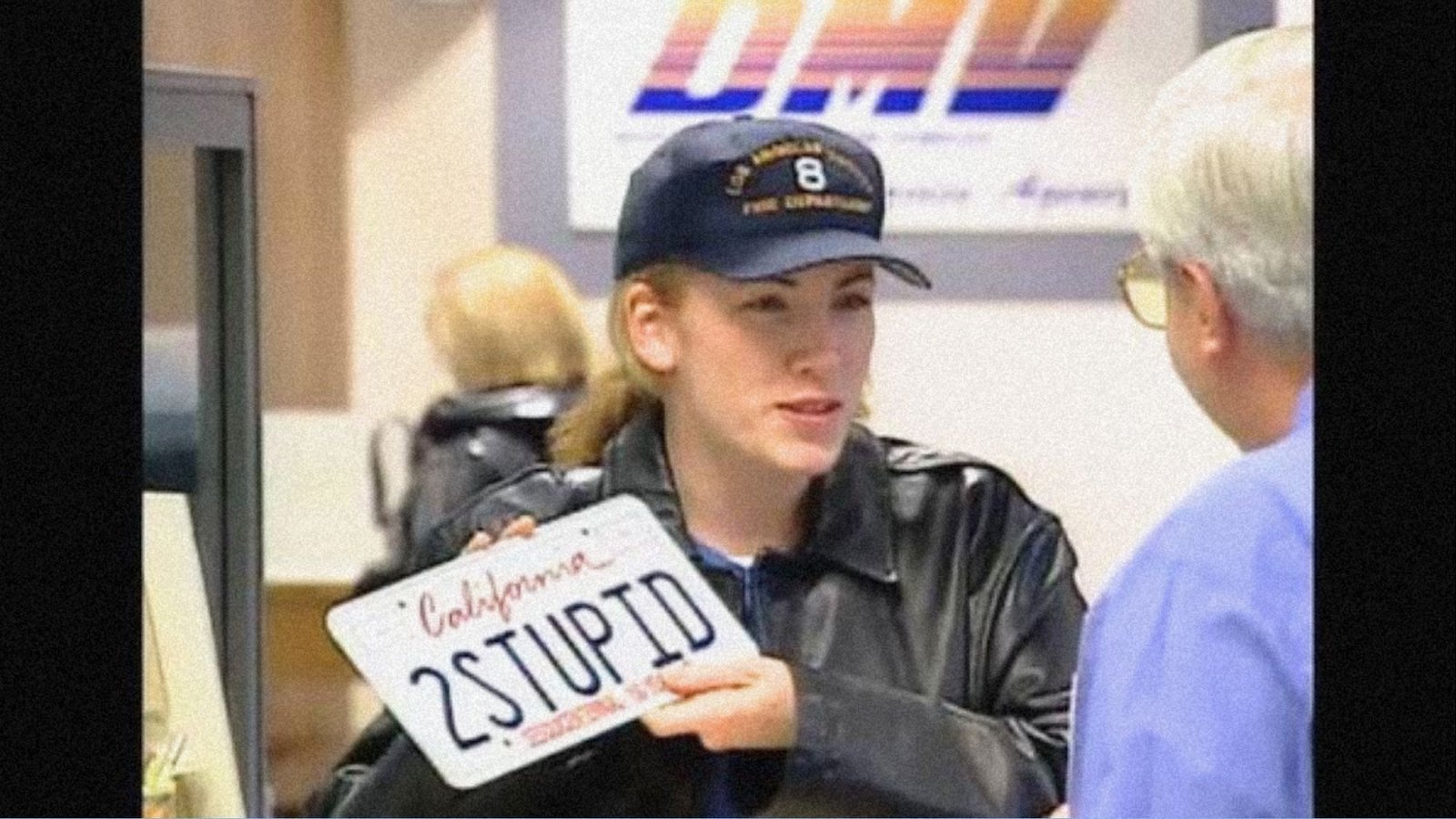
Candid Camera reality TV origins reach back nearly eight decades, long before modern audiences ever heard of hidden cameras and staged pranks. Allen Funt’s peculiar experiment in unscripted entertainment quietly reshaped television. Consequently, today’s reality genre owes more to this early show than most viewers realize.
The Candid Camera Reality TV Origins Story
Back in 1948, television had barely found its footing. However, one show decided to break the mold completely. Candid Camera placed ordinary people in bizarre situations, then filmed their genuine reactions without their knowledge.
The concept sounds simple by today’s standards. Yet at the time, nobody had attempted anything quite like it. Allen Funt built an entire format around authentic human behavior, not scripted performances.
Notably, audiences responded with enthusiasm. People loved watching strangers get startled, confused, or amused by unexpected pranks. As a result, the show became a surprise hit that stretched across multiple decades.
How the Show Broke New Ground
Before Candid Camera, television relied heavily on rehearsed scripts and controlled sets. This show flipped that formula entirely. Instead of actors, it used real people caught in unplanned moments.
Furthermore, the show introduced the idea of hidden cameras as entertainment tools. Producers hid recording equipment in everyday settings. Meanwhile, unsuspecting participants had no clue they were being watched.
This approach created something television hadn’t seen before: unscripted, authentic reactions broadcast for public enjoyment. Therefore, the show planted a seed that would eventually grow into an entire genre.
The Blueprint for Modern Reality Television
Decades later, shows like Big Brother and Punk’d borrowed heavily from this original blueprint. Both programs relied on unscripted moments and genuine human reactions. In contrast to scripted dramas, these shows thrived on unpredictability.
Big Brother placed strangers together and filmed their every move. Similarly, Punk’d pranked celebrities without their prior knowledge, echoing Candid Camera’s original premise almost exactly.
Consequently, viewers can trace a direct line from Funt’s experiment to today’s massive reality TV industry. The format evolved, but the core idea remained intact.
- Unscripted human reactions as primary entertainment
- Hidden cameras capturing authentic behavior
- Ordinary people placed in unusual situations
- Audience fascination with genuine emotional responses
Why This Format Still Resonates Today
Audiences continue craving authenticity, even within heavily produced formats. Candid Camera reality TV origins prove that genuine human reactions never lose their appeal. People still enjoy watching unscripted surprise and unfiltered emotion.
Additionally, modern reality shows amplify this appeal through higher production value and social media integration. However, the emotional core remains the same as it was in 1948.
Finally, understanding this history helps viewers appreciate how far the genre has traveled. What began as a modest experiment eventually became a global entertainment powerhouse.
Candid Camera’s legacy proves that innovation doesn’t always require complexity. Sometimes, a simple idea executed with curiosity can reshape an entire industry. As reality TV continues evolving, its roots remain firmly planted in that groundbreaking 1948 experiment.
