

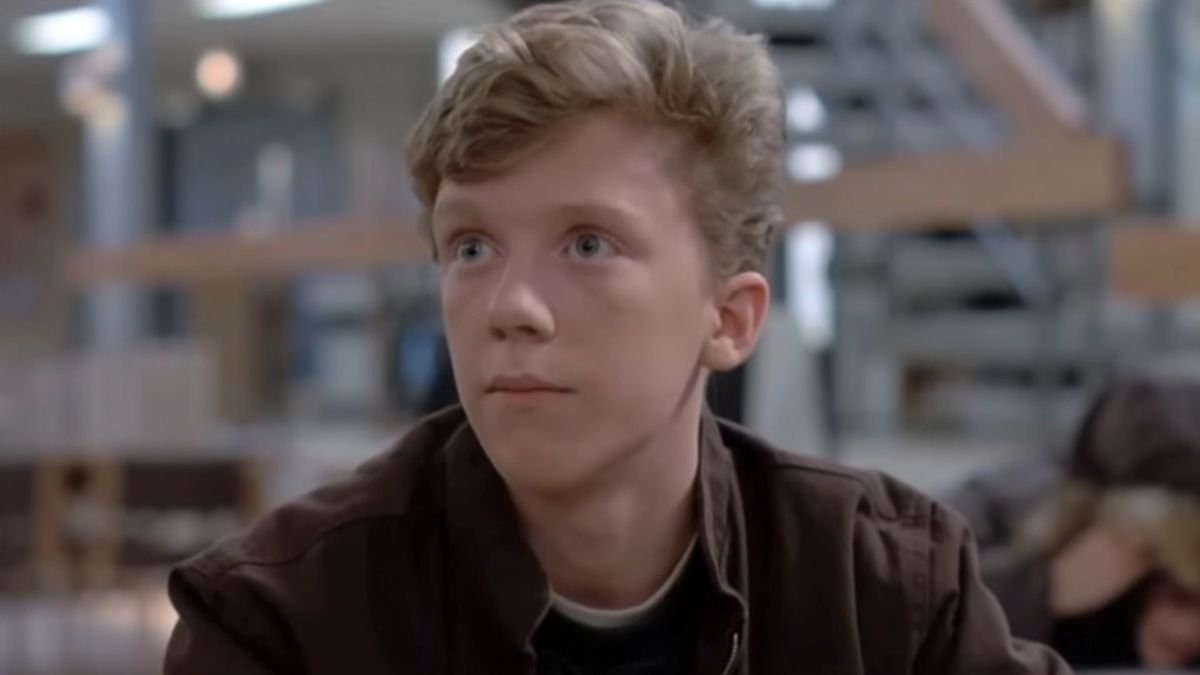
Anthony Michael Hall rejected John Hughes movies twice, and that revelation genuinely surprised me. I assumed I understood every corner of the Hughes-Hall partnership. However, this lesser-known chapter proves there’s always more to discover.
Why Anthony Michael Hall Rejected John Hughes Movies Early On
Hall became a defining face of John Hughes’s teen comedies during the 1980s. Films like “Sixteen Candles” and “The Breakfast Club” cemented his status as a go-to young actor. Consequently, fans naturally assumed he said yes to every Hughes script that landed on his desk.
That assumption turns out to be wrong. Notably, Hall passed on two significant opportunities within the Hughes universe. This choice reshaped the trajectory of both his career and the films themselves.
The First Missed Opportunity
Hughes wrote several projects with specific actors in mind, and Hall was often his first choice. In at least one instance, though, Hall declined the role before another actor stepped in. As a result, the finished film looked completely different than Hughes originally envisioned.
This kind of decision happens more often in Hollywood than audiences realize. Actors weigh scheduling conflicts, creative direction, and personal growth before committing. Therefore, even a beloved collaborator like Hall had valid reasons to walk away.
The Second Rejected Role
The second passed-on project adds even more intrigue to this story. Hall reportedly turned down another major Hughes role during a pivotal career stretch. Meanwhile, he was likely trying to break free from being typecast as the quintessential Hughes teen.
That desire to diversify makes sense in context. Hall wanted range beyond the nerdy-but-lovable persona Hughes had helped build. In contrast, staying in that lane indefinitely might have limited his long-term opportunities.
What This Reveals About Hall and Hughes
Their partnership clearly wasn’t as simple as endless yes-man loyalty. Hall exercised real agency over his own career path, even when it meant disappointing a director who helped launch him. Furthermore, Hughes continued crafting great films regardless of these specific rejections.
This dynamic highlights something important about actor-director relationships. Mutual respect doesn’t require blind compliance. Instead, it allows room for both parties to pursue what serves their own creative instincts.
- Hall built his early fame through multiple Hughes collaborations
- He still turned down two significant Hughes projects
- His choices reflected a desire to avoid typecasting
- Hughes’s filmography succeeded despite these specific passes
Why This Story Still Matters Today
Film history often gets flattened into tidy narratives. However, the real story behind Anthony Michael Hall rejected John Hughes movies adds welcome complexity. It reminds us that even iconic collaborations involve negotiation, disagreement, and personal boundaries.
Finally, this anecdote should push fans to dig deeper into other “well-known” Hollywood partnerships. There’s likely more nuance hiding behind many classic film legacies. As a result, revisiting these stories with fresh curiosity pays off more often than expected.
