
The Melissa Nathan Hollywood Smear Machine has become the center of a major industry controversy. New court documents allege that this crisis publicist orchestrated coordinated reputation attacks against several celebrities. As a result, Hollywood’s hidden PR tactics now face public scrutiny like never before.
Understanding the Melissa Nathan Hollywood Smear Machine Allegations
Recent legal filings describe a troubling pattern of strategic reputation damage. According to these documents, Nathan allegedly worked behind the scenes to shape negative narratives. Consequently, several high-profile names have found themselves entangled in the fallout.
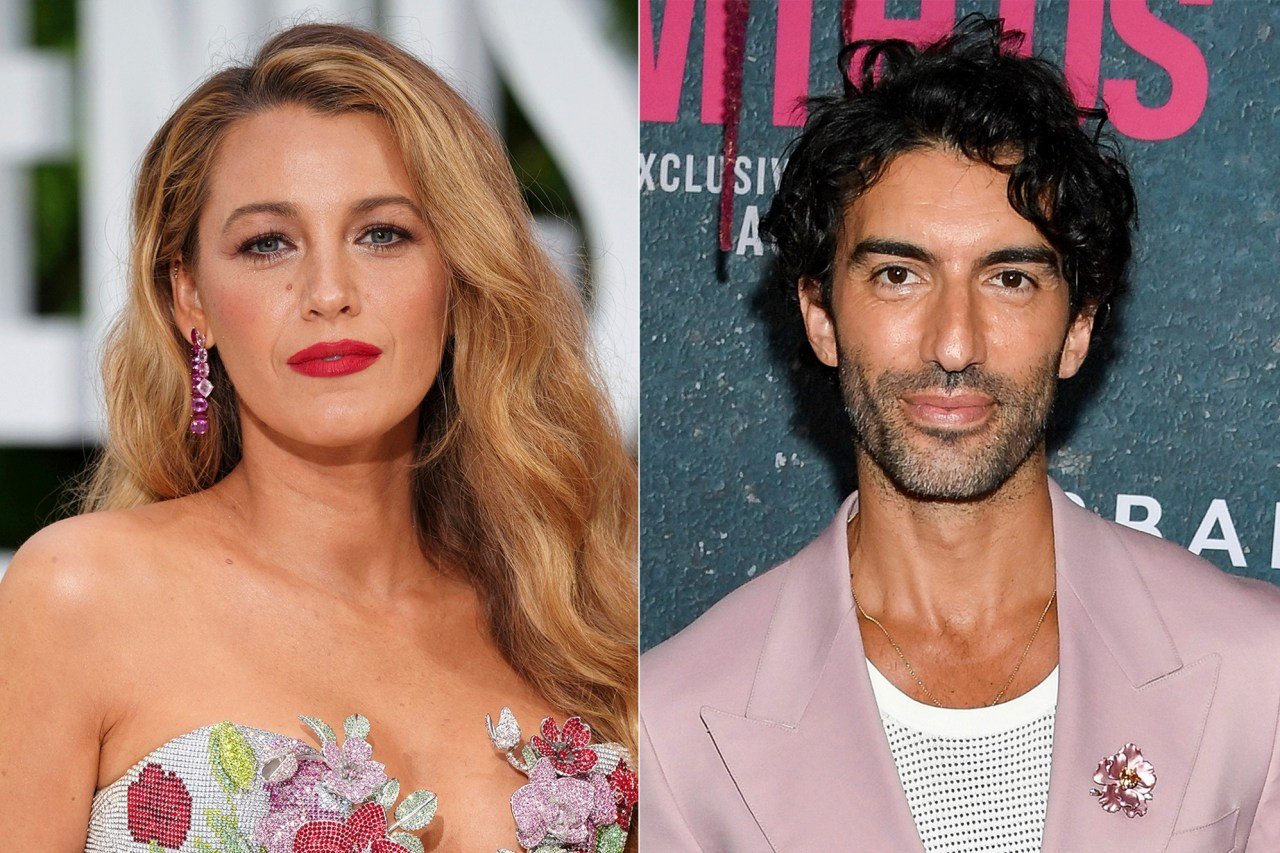
The filings reportedly connect to the ongoing dispute between Blake Lively and Justin Baldoni. Additionally, Rebel Wilson’s name surfaced within these court records, suggesting a broader pattern. Therefore, industry insiders now question how widespread these practices truly are.
How the Alleged PR Tactics Reportedly Worked
Court documents suggest a methodical approach to reputation management. Publicists reportedly used media relationships to plant unfavorable stories. Meanwhile, targets of these campaigns often had no clear way to defend themselves.
- Strategic leaks to sympathetic journalists
- Coordinated timing of negative stories
- Use of anonymous sources to avoid accountability
- Long-term reputation shaping campaigns
These tactics, often called Hollywood’s “dark arts,” reportedly operate quietly for years. However, the current filings bring unprecedented visibility to these practices. As a result, many are questioning the ethics of modern celebrity crisis management.
Industry Reaction and Broader Implications
Entertainment insiders have reacted with a mix of shock and resignation. Many acknowledge that aggressive PR strategies have long existed in Hollywood. Nevertheless, the scale described in these filings has surprised even seasoned professionals.
Furthermore, this situation raises serious questions about accountability within the publicity industry. Celebrities often rely heavily on their teams for protection and guidance. In contrast, these allegations suggest some teams may exploit that trust instead.
Legal experts note that such cases could reshape industry standards going forward. Notably, public figures may begin demanding greater transparency from their own representatives. Finally, this scrutiny could encourage stronger ethical guidelines across entertainment PR firms.
As the legal proceedings continue, more details are likely to emerge. Meanwhile, the public conversation around manipulation and media ethics grows louder. Ultimately, this case may mark a turning point for how Hollywood manages its image battles.
