
The Zach Cregger Resident Evil review has finally arrived, and it confirms what horror fans hoped for. Hollywood has tried repeatedly to translate Capcom’s beloved game franchise onto the big screen. However, most adaptations missed the mark entirely, failing to capture the tension that made the games iconic.
Why This Zach Cregger Resident Evil Review Matters
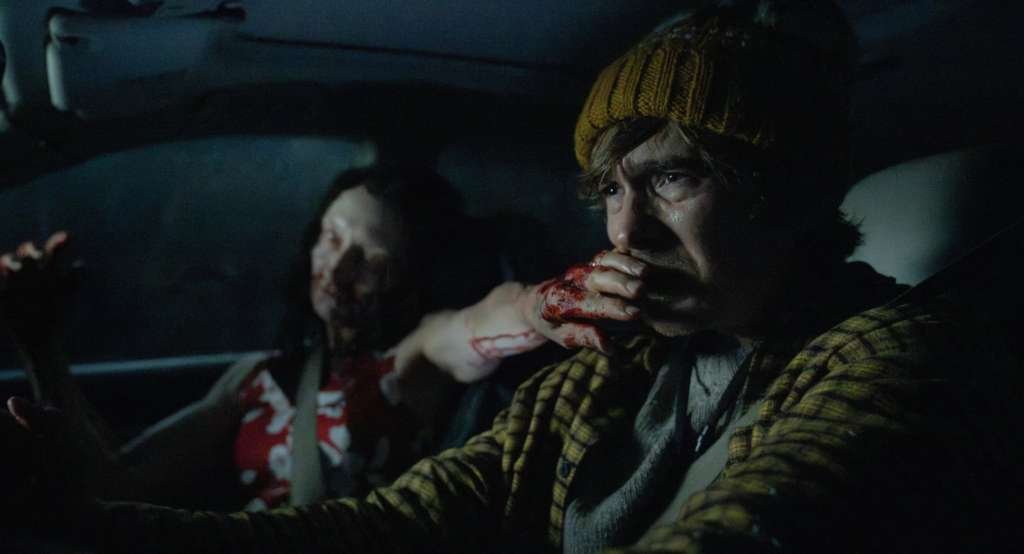
Cregger’s take arrives with a different sensibility than previous attempts. Unlike earlier films that leaned heavily into action spectacle, this version returns to survival horror roots. Consequently, the atmosphere feels closer to the dread players experienced in the original games, a shift already praised in the new Resident Evil movie review that first highlighted this tonal change.
Notably, the director understands pacing in a way past filmmakers didn’t. Tension builds gradually rather than exploding immediately into chaos. As a result, audiences get genuine scares instead of hollow jump moments.
A Filmmaker Who Understands the Source Material
Many previous adaptations treated the games as a springboard for generic zombie action. In contrast, Cregger clearly studied what made the franchise resonate with players for decades. He preserves the claustrophobic dread, the resource scarcity, and the constant sense of vulnerability.
Furthermore, the film doesn’t rely on nonstop action to hold attention. Instead, quiet moments of exploration create unease that lingers. This approach mirrors the slow-burn design philosophy behind the original games.
Performances and Atmosphere Elevate the Experience
The cast delivers performances that feel grounded rather than exaggerated. Meanwhile, the production design recreates the eerie, decaying environments fans expect from Resident Evil. Every corridor and shadow seems intentionally crafted to unsettle viewers.
Additionally, the sound design plays a crucial role in sustaining tension throughout. Silence becomes just as effective as any jump scare. Therefore, the horror feels earned rather than manufactured for cheap thrills.
Balancing Fan Expectations With Fresh Storytelling
Adapting a beloved game franchise always risks alienating longtime fans. However, Cregger manages to honor the source material while still telling a story that feels cinematic. He avoids simply recreating game cutscenes shot-for-shot.
Instead, he builds new context around familiar horror beats fans will recognize instantly. This balance likely explains why this adaptation succeeds where others stumbled. Ultimately, respect for the material shines through every scene.
What Makes This Adaptation Finally Work
Several key elements separate this film from previous attempts at bringing Resident Evil to life:
- A slower, dread-focused pace instead of constant action
- Faithful recreation of the franchise’s oppressive atmosphere
- Restrained performances that avoid campy exaggeration
- Sound design that amplifies tension rather than relying on noise
- A story structure that respects the games without copying them directly
Together, these choices create a survival horror experience that finally clicks. Consequently, longtime fans and newcomers alike may find something to appreciate here.
Final Thoughts on the Zach Cregger Resident Evil Review
In the end, this adaptation proves that understanding tone matters more than budget or spectacle. Cregger demonstrates a genuine grasp of what makes Resident Evil endure after decades. As a result, this film stands as one of the strongest video game adaptations in recent memory.
Finally, horror fans searching for genuine tension rather than empty thrills should take notice. This version earns its place among the genre’s better efforts, joining other recent standouts like the Mahershala Ali Blade reviews in signaling a stronger era for genre filmmaking. Therefore, it may finally satisfy fans who waited years for a faithful cinematic take.
