
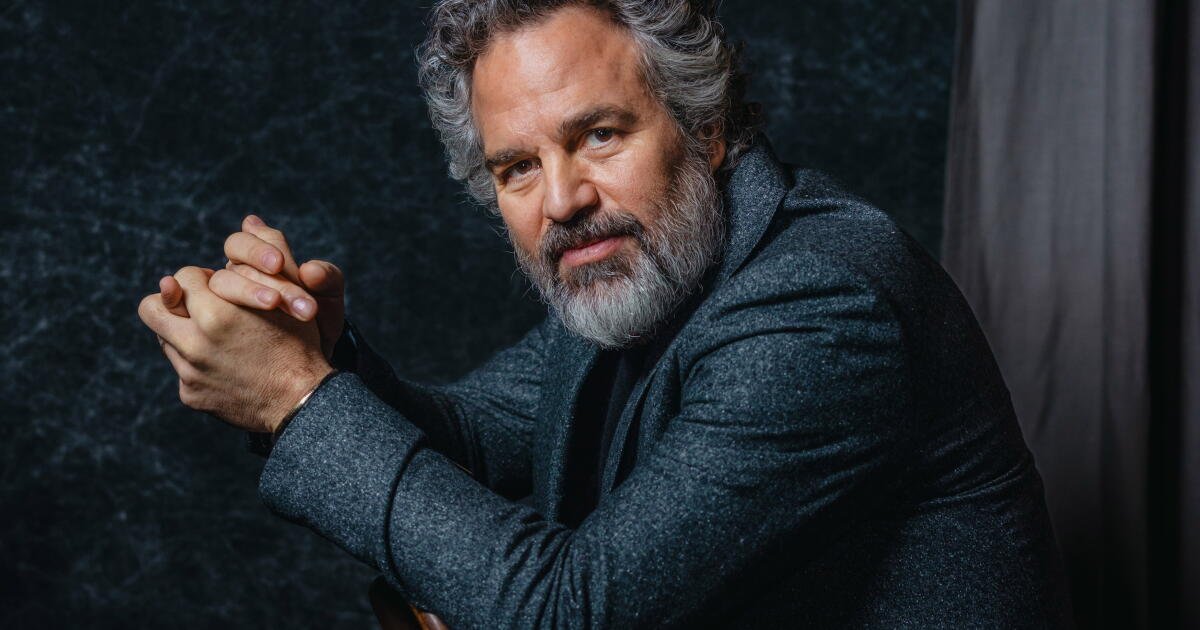
Jewish artists defend Ruffalo publicly, pushing back against Paramount’s claim that the actor’s comments amounted to antisemitism. Notably, this dispute has quickly become tangled with the larger Hollywood merger controversy. As a result, the entertainment industry now watches closely as artists and executives clash over free speech and identity politics.
Why Jewish Artists Defend Ruffalo Against Paramount
A group of prominent Jewish creatives signed an open letter supporting actor Mark Ruffalo. The letter directly challenges Paramount’s characterization of his remarks. Furthermore, it argues that linking criticism of Israeli policy to antisemitism misrepresents Jewish values entirely.
The signers describe their opposition as rooted in what they call genuine Jewish ethical duty. In contrast to Paramount’s position, they insist that moral responsibility requires speaking out against injustice, regardless of political discomfort. Consequently, the letter frames Ruffalo’s statements as an act of conscience rather than prejudice.
The Israel-Gaza Connection to Hollywood’s Mega-Merger
Notably, the controversy does not exist in isolation. Instead, it intersects with Paramount’s ongoing corporate merger, which has already drawn scrutiny from multiple directions. Many artists argue that the timing of Paramount’s allegations against Ruffalo is not coincidental.
Some signatories suggest that corporate leadership may be using accusations of antisemitism strategically. Meanwhile, critics claim this tactic could silence dissent during a sensitive business transition. Therefore, the letter positions itself as a defense of both Ruffalo and broader artistic freedom.
How the Entertainment Industry Is Responding
Reaction across Hollywood has been swift and divided. Some industry figures support Paramount’s cautious stance, while others align firmly with the artists defending Ruffalo. As a result, the debate has exposed deeper tensions within the industry regarding speech, politics, and corporate influence.
Several commentators note that this moment reflects a larger pattern. Additionally, they point out that entertainment companies increasingly face pressure to police political expression among talent. However, many artists argue that such policing risks conflating criticism of government policy with hatred toward a religion or people.
- Support for Ruffalo centers on protecting artistic and political expression
- Critics warn against equating policy criticism with antisemitism
- The merger context adds financial and reputational pressure to the dispute
- Jewish artists emphasize ethical responsibility as their motivation
What This Means for Public Discourse Moving Forward
This controversy highlights how entertainment, politics, and identity increasingly intersect. Furthermore, it shows how corporate decisions can quickly become flashpoints for wider cultural debates. As studios navigate mergers and public scrutiny, statements from public figures carry heightened weight.
Finally, the ongoing dispute suggests this conversation will not fade quickly. Jewish artists defend Ruffalo not only to support one actor, but to challenge how institutions define antisemitism. Consequently, the outcome may influence how Hollywood addresses similar controversies in the future.
