

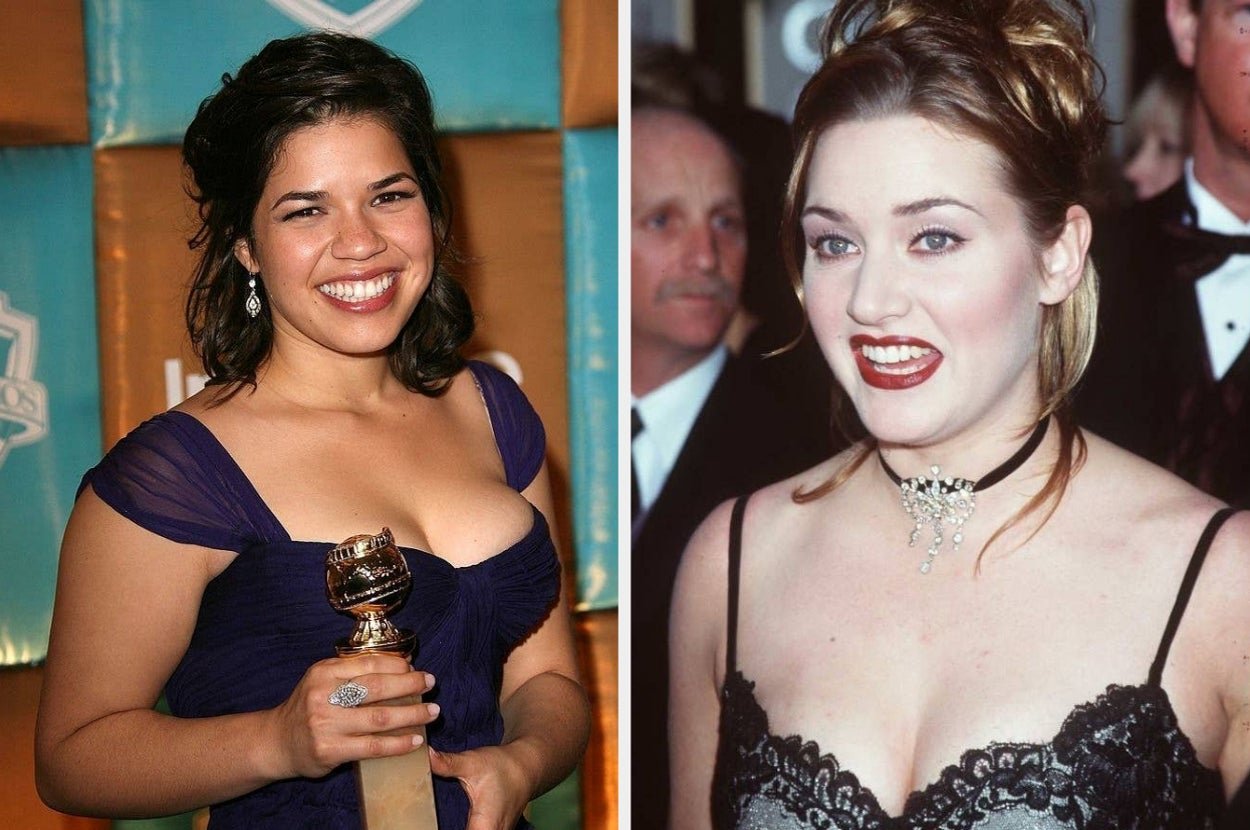
Fat-phobic 2000s celebrity culture left a lasting mark on how an entire generation viewed body image. Consequently, revisiting those toxic beauty standards helps us understand just how damaging tabloid culture really was. Back then, magazines and talk shows treated women’s bodies as public property, and celebrities paid the price.
Fat-Phobic 2000s Celebrity Culture and Its Lasting Damage
During the early to mid-2000s, tabloids built entire business models around body shaming. Magazines circled perceived flaws in red ink, labeling any weight gain a scandal. Meanwhile, late-night hosts and gossip columnists treated celebrity bodies as fair game for cruel jokes.
Notably, this obsession wasn’t limited to fringe publications. Mainstream outlets and award shows regularly mocked stars for gaining a few pounds. As a result, an entire industry profited from public humiliation.
How Talk Shows Normalized Body Shaming
Late-night television hosts frequently made weight the punchline of their monologues. Female celebrities, in particular, became easy targets whenever their bodies changed. Therefore, audiences learned to laugh along, reinforcing the idea that thinness equaled worth.
Interviewers also asked invasive questions about diets and weight loss on camera. In contrast, male celebrities rarely faced the same scrutiny. This double standard revealed how deeply fatphobia was embedded in celebrity culture.
Tabloid Headlines That Crossed the Line
Magazine covers often blasted headlines asking if a star had “let herself go.” Some publications ran side-by-side photos highlighting weight fluctuations as if they were crimes. Additionally, paparazzi camped outside gyms and restaurants just to capture unflattering photos.
These headlines didn’t just criticize appearance; they shaped public opinion overnight. Consequently, many celebrities developed disordered eating habits trying to meet impossible standards. Furthermore, young fans absorbed these messages, believing thinness was the only acceptable body type.
- Public weigh-ins disguised as “health updates”
- Photoshopped images exaggerating weight loss or gain
- Diet pill endorsements marketed as lifestyle choices
- Red carpet commentary focused solely on body size
Looking back, these practices seem shockingly cruel. However, at the time, they were treated as normal entertainment. This normalization is exactly why revisiting this era matters so much today.
Lessons From a Toxic Era
Thankfully, cultural conversations have shifted significantly since then. Body positivity movements have challenged outdated beauty standards. As a result, more celebrities now speak openly about the harm caused by public scrutiny.
Still, the scars from fat-phobic 2000s celebrity culture remain visible. Many stars have shared how those years affected their mental health long-term. Therefore, acknowledging this history helps prevent similar patterns from repeating.
Ultimately, understanding this toxic period offers valuable perspective. Finally, it reminds audiences why kindness and body inclusivity matter more than fleeting tabloid trends. Moving forward, celebrity culture must continue rejecting the fatphobia that once defined an entire decade.
