

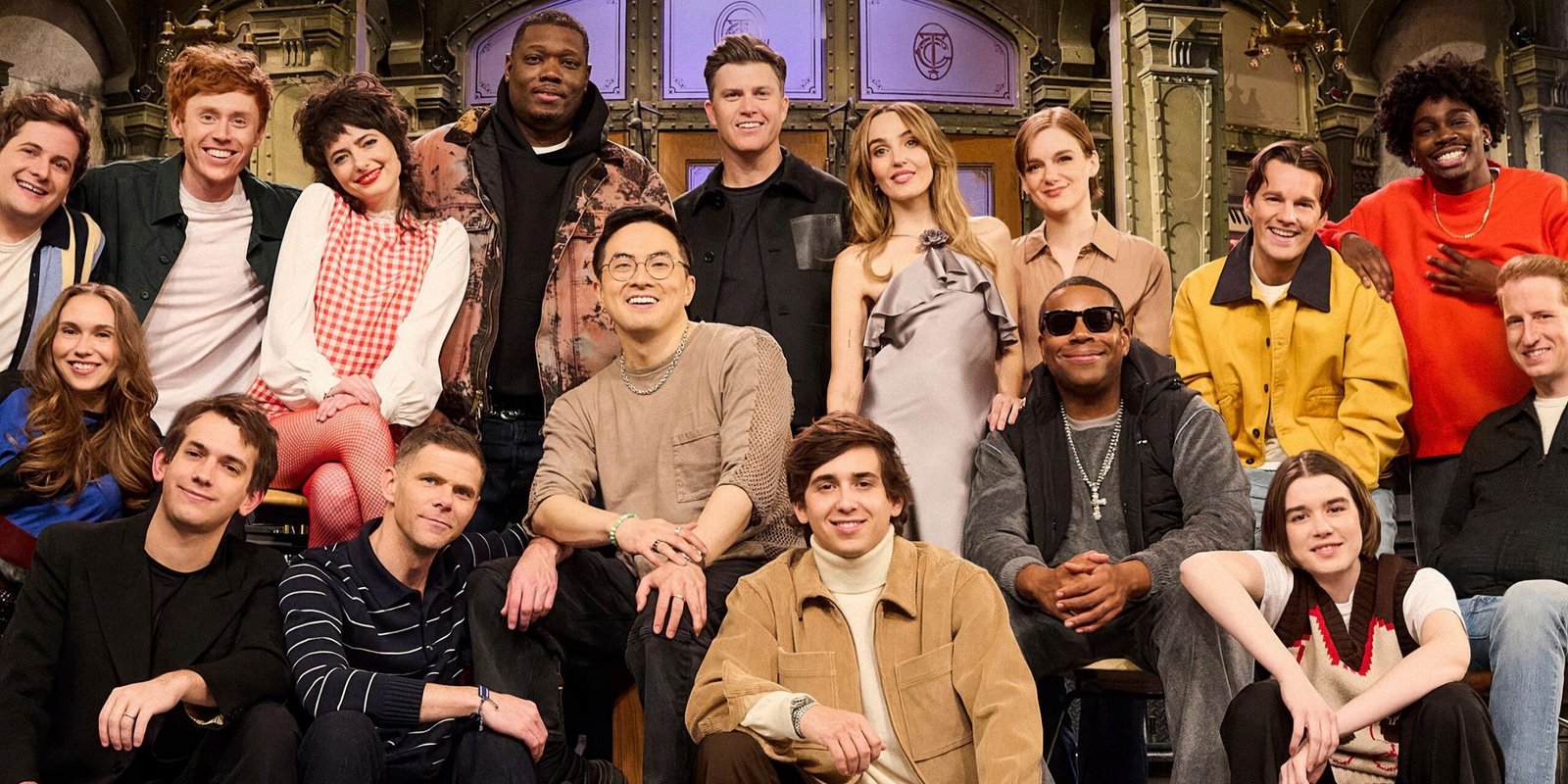
The Saturday Night Live diversity problem has followed the show for decades, and NBC can no longer look away from it. For more than fifty years, the sketch comedy institution has anchored NBC’s weekend lineup. However, a persistent lack of representation behind the laughs has become impossible to overlook.
Why the Saturday Night Live Diversity Problem Keeps Resurfacing
Saturday Night Live built its reputation on satire, star-making performances, and cultural relevance. Meanwhile, critics and former cast members have repeatedly pointed out that the show’s casting choices have not kept pace with the audience it serves. As a result, conversations about representation resurface almost every season.
Notably, this isn’t a new complaint. Instead, it’s a recurring pattern that stretches back through multiple eras of the show’s history. Consequently, longtime viewers and industry observers alike have started asking harder questions about who gets a chance on that stage.
A Pattern That Predates Recent Headlines
Long before recent controversies, former cast members spoke openly about feeling overlooked or underused. Additionally, several performers of color have described being hired seemingly to check a box, rather than to be developed as true ensemble players. Therefore, their tenures often ended quickly, with limited screen time and fewer memorable characters to their name.
Furthermore, writers’ rooms have faced similar scrutiny. In contrast to the diversity seen in the current television landscape, SNL’s writing staff has historically skewed toward a narrow demographic. As a result, sketches sometimes missed cultural nuance or leaned on tired stereotypes instead of fresh perspectives.
The Business Case Behind the Saturday Night Live Diversity Problem
NBC has invested heavily in SNL as a flagship brand, and that investment comes with expectations. Today’s audiences increasingly demand authentic representation across the shows they watch. Therefore, a show that fails to reflect its viewers risks losing relevance, no matter how strong its legacy is.
Consider the practical stakes involved:
- Audience trust erodes when representation feels performative rather than genuine
- Talented performers may choose other platforms that offer more opportunity
- Cultural commentary loses credibility without diverse voices shaping it
- Younger viewers expect inclusivity as a baseline, not a bonus
Consequently, NBC faces mounting pressure to treat diversity as a core priority rather than an occasional talking point.
What Meaningful Change Would Actually Require
Real progress demands more than a diverse hire here and there. Instead, it requires structural commitment across casting, writing, and leadership decisions. Additionally, mentorship opportunities for underrepresented performers could help prevent the short tenures that have defined the show’s past.
Meanwhile, transparency about hiring practices would help rebuild trust with skeptical viewers. Finally, sustained investment—not just symbolic gestures—will determine whether the show evolves or continues facing the same criticism year after year.
In contrast to previous decades, today’s entertainment landscape offers audiences endless alternatives. Therefore, SNL’s ability to address its diversity problem may directly influence its relevance moving forward. As competition grows fiercer, NBC’s willingness to confront this issue head-on could shape the show’s next fifty years.
