

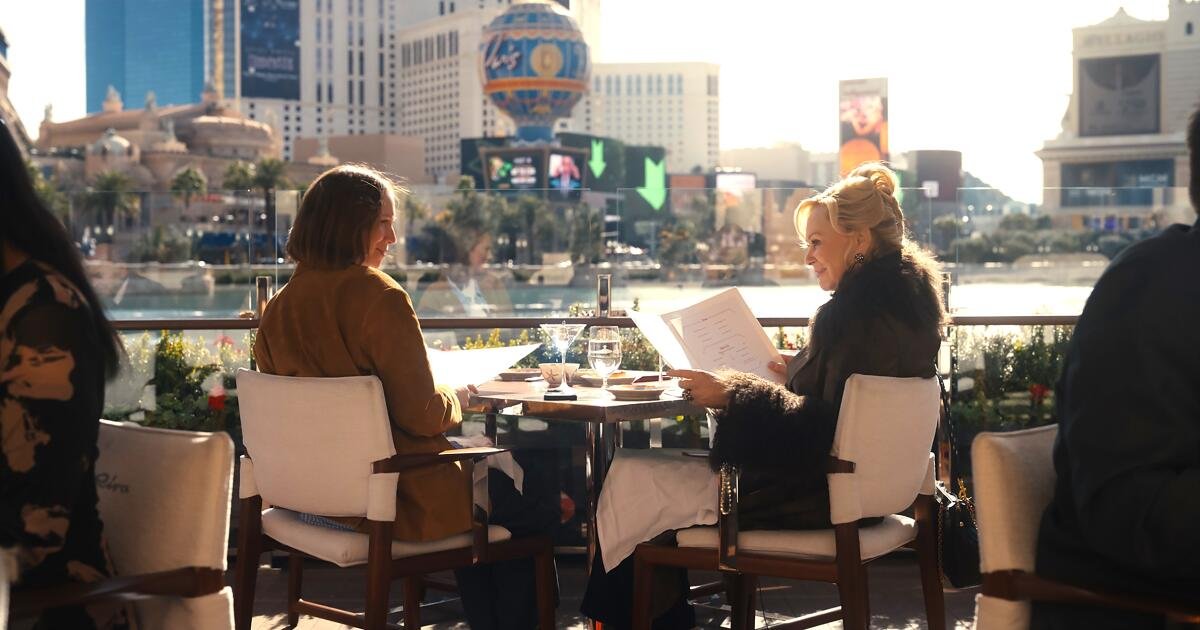
This year, Hacks Pluribus Las Vegas storytelling has quietly rewritten how television treats Sin City. Several Emmy-nominated shows chose Vegas as a backdrop this season. However, none of them leaned on the usual neon-soaked cliches audiences expect.
Hacks Pluribus Las Vegas: A Fresh Lens on an Old Setting
Traditionally, Las Vegas on screen means casinos, showgirls, and flashing marquees. In contrast, these new series dig into the quieter corners of the city. As a result, viewers see a Vegas shaped by real people rather than tourist fantasy.
Notably, “Hacks” uses Vegas as a professional proving ground for its aging comedian lead. Meanwhile, the city becomes less about spectacle and more about survival and reinvention. Therefore, the show treats Vegas as a workplace, not just a playground.
How “Pluribus” Reimagines the City’s Identity
“Pluribus,” on the other hand, strips away Vegas glamour almost entirely. Instead, it uses the city’s infrastructure and isolation to build tension. Consequently, the show finds eeriness in spaces most series would fill with glitter and noise.
Furthermore, this approach signals a broader shift in how writers view Vegas. Rather than treating it as a punchline, creators now explore its labor, loneliness, and resilience. As a result, the city feels more textured and emotionally grounded.
Why “Margo’s Got Money Troubles” Adds Another Layer
Additionally, “Margo’s Got Money Troubles” contributes yet another perspective to this trend. The series focuses on financial pressure and personal reinvention. In doing so, it mirrors Vegas’s own reputation as a place of risk and reinvention.
Meanwhile, the show avoids typical jackpot fantasies. Instead, it highlights the everyday economic anxiety many residents actually face. Therefore, Vegas becomes a mirror for its characters’ financial instability rather than an escape from it.
A Shared Pattern Across These Emmy-Nominated Shows
Interestingly, all three series arrive at similar conclusions from different directions. Each show uses Vegas to explore identity, pressure, and transformation. Consequently, the city becomes a character study rather than just scenery.
- Vegas as a workplace, not merely a tourist backdrop
- Isolation and tension replacing typical glamour
- Financial anxiety reflecting the city’s high-stakes reputation
- Character-driven storytelling over visual spectacle
As a result, viewers get a richer, more grounded version of Las Vegas. Furthermore, this shift suggests future shows may continue moving away from postcard imagery.
What This Means for Future Storytelling
Looking ahead, this trend could reshape how other cities get portrayed on television. If Vegas can shed its cliches, similarly iconic locations might follow. Therefore, audiences may see more nuanced depictions of familiar settings across future award-season contenders.
Finally, this season proves that setting can do more than decorate a story. Instead, it can actively shape character and theme. As these three series show, Las Vegas still has plenty of stories left to tell, much like the heartfelt writing that made the Ted Lasso Season 4 emotional moment resonate so deeply with audiences this year.
