

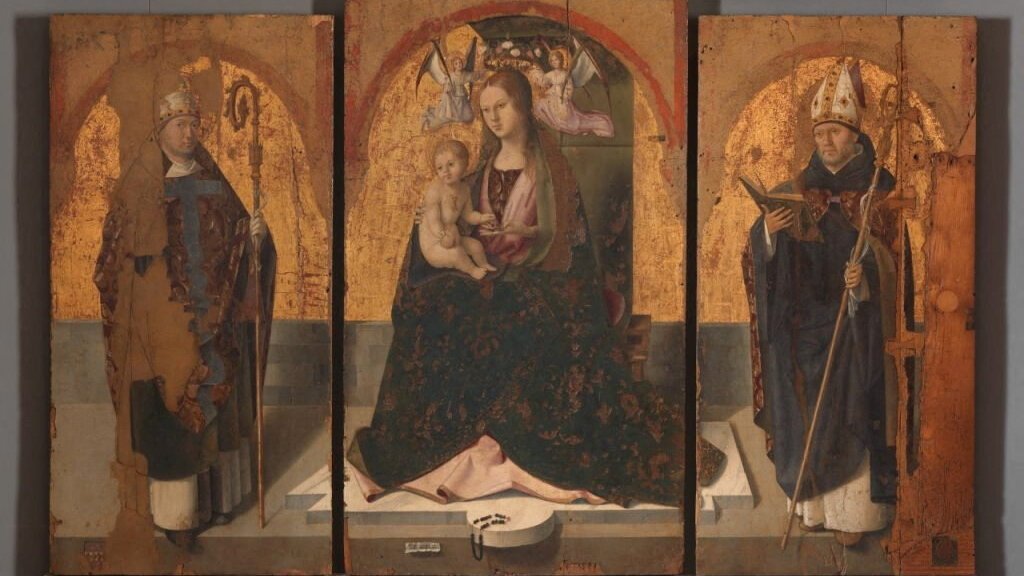
Four Antonello da Messina paintings stolen from a Sicilian museum have shocked the art world this week. Thieves struck while the city of Messina celebrated a major religious festival. Consequently, authorities now face growing pressure to recover these irreplaceable Renaissance works.
Antonello Da Messina Paintings Stolen During Festival Chaos
The theft happened in Messina, a Sicilian city deeply tied to the artist’s legacy. Notably, thieves timed their move during a religious celebration that drew large crowds. As a result, security attention likely shifted away from the museum during the busy festivities.
Antonello da Messina remains one of the most influential Renaissance painters from Italy. Therefore, the loss of four original works represents a significant cultural blow. Furthermore, experts consider his paintings rare due to his limited surviving output.
How the Heist Unfolded
Local reports indicate the theft occurred quickly and quietly. Meanwhile, festival crowds filled the streets, creating a useful distraction for the intruders. Investigators now review this timing as a possible deliberate strategy.
Officials have not yet confirmed exact security details at the museum. However, initial statements suggest gaps existed during the celebration period. Consequently, questions have emerged about protective measures for high-value art during public events.
Why These Paintings Matter So Much
Antonello da Messina’s works hold major historical and artistic value. His techniques blended Italian and Northern European influences, which was rare for his era. Therefore, collectors and historians view his paintings as irreplaceable pieces of art history.
These four stolen paintings likely represent a meaningful portion of his known catalog. As a result, their disappearance creates a noticeable gap in Renaissance art collections. In contrast to more commonly reproduced artists, Antonello’s surviving works remain scarce.
Investigation and Recovery Efforts
Italian authorities have launched a formal investigation into the theft. Meanwhile, art crime units began tracing potential smuggling routes. Finally, international art databases now flag these paintings to prevent illegal resale.
Officials also plan to work with cultural heritage organizations. Additionally, they aim to alert galleries and private collectors worldwide. This wider awareness could help identify suspicious sales attempts.
- Increased security reviews at Italian museums during public festivals
- Expanded international alerts for stolen Renaissance artwork
- Collaboration between local police and global art crime units
- Public appeals for information from festival attendees
These steps show a coordinated response to a high-profile cultural crime. However, recovering centuries-old paintings often takes significant time. Therefore, experts urge patience while investigations continue.
This incident also raises broader concerns about museum security during large public gatherings. As a result, many institutions may reassess protective protocols moving forward. Ultimately, protecting historical art requires constant vigilance, especially during high-traffic community events.
