

One hit wonders number two hits represent one of music’s strangest quirks. Some artists climb all the way to the runner-up spot on the Billboard Hot 100, yet they never appear on the chart again. Consequently, these near-misses become legendary footnotes in pop history.
One Hit Wonders Number Two Hits: The Curious Pattern
Reaching No. 2 on the Hot 100 is no small achievement. However, for a select group of performers, that single peak became their entire chart legacy. Afterward, these artists vanished from Billboard entirely, never scoring another entry.
Notably, this pattern spans decades, genres, and styles. From 1960s girl groups to 2000s crossover rap acts, the phenomenon keeps repeating. Therefore, examining these cases reveals something fascinating about fame, timing, and luck in the music industry.
Early Examples of the One-Hit Wonder Peak
The Jaynetts offer one of the earliest illustrations of this trend. Their 1963 single became a massive hit, pushing them to No. 2. Despite that success, the group never returned to the chart afterward.
Similarly, several acts from the 1960s and 1970s found themselves in comparable situations. A single breakthrough moment brought them close to the top. Meanwhile, follow-up releases failed to generate similar traction, leaving fans with just one memorable song.
Modern Cases That Followed the Same Path
Nicki French delivered a dance-pop cover that soared to No. 2 in the 1990s. As a result, her name became forever linked to that single achievement. In contrast, subsequent releases never reached similar chart heights.
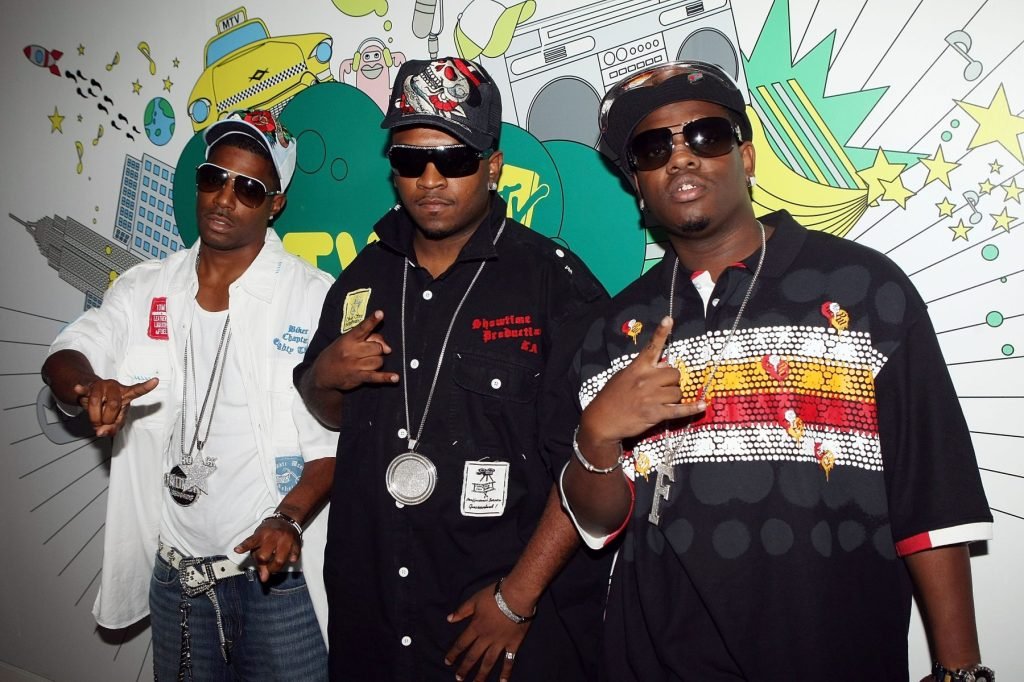
The Shop Boyz also fit this mold during the 2000s. Their breakout single became inescapable on radio and in clubs. Nevertheless, the group could not replicate that success, and no further chart entries followed.
These modern examples show that the pattern continues even in contemporary music. Streaming, radio play, and viral trends can propel songs quickly. However, sustaining that momentum remains a much harder challenge.
Why These Artists Never Charted Again
Several factors typically explain this outcome. Additionally, industry pressures and shifting trends often play a significant role.
- Novelty or gimmick-driven songs often struggle to inspire consistent follow-ups
- Label support may fade quickly after an unexpected hit
- Genre trends can shift before a second single releases
- Audience expectations sometimes trap artists into one specific sound
- Timing and cultural context rarely repeat themselves twice
Furthermore, some artists simply captured lightning in a bottle. Their song matched a cultural moment perfectly. Once that moment passed, replicating the magic became nearly impossible.
What This Pattern Reveals About Music History
Ultimately, these one hit wonders number two hits highlight the unpredictability of chart success. A song can dominate airwaves for weeks, yet the artist behind it may never return. Consequently, these near-No. 1 hits become cherished nostalgia rather than launching pads for lasting careers.
Finally, this trend reminds listeners that chart history is filled with surprises. Some artists blaze brightly for a single moment. Meanwhile, others build decades-long careers with far less initial impact. Together, these contrasts make music history endlessly fascinating.
