

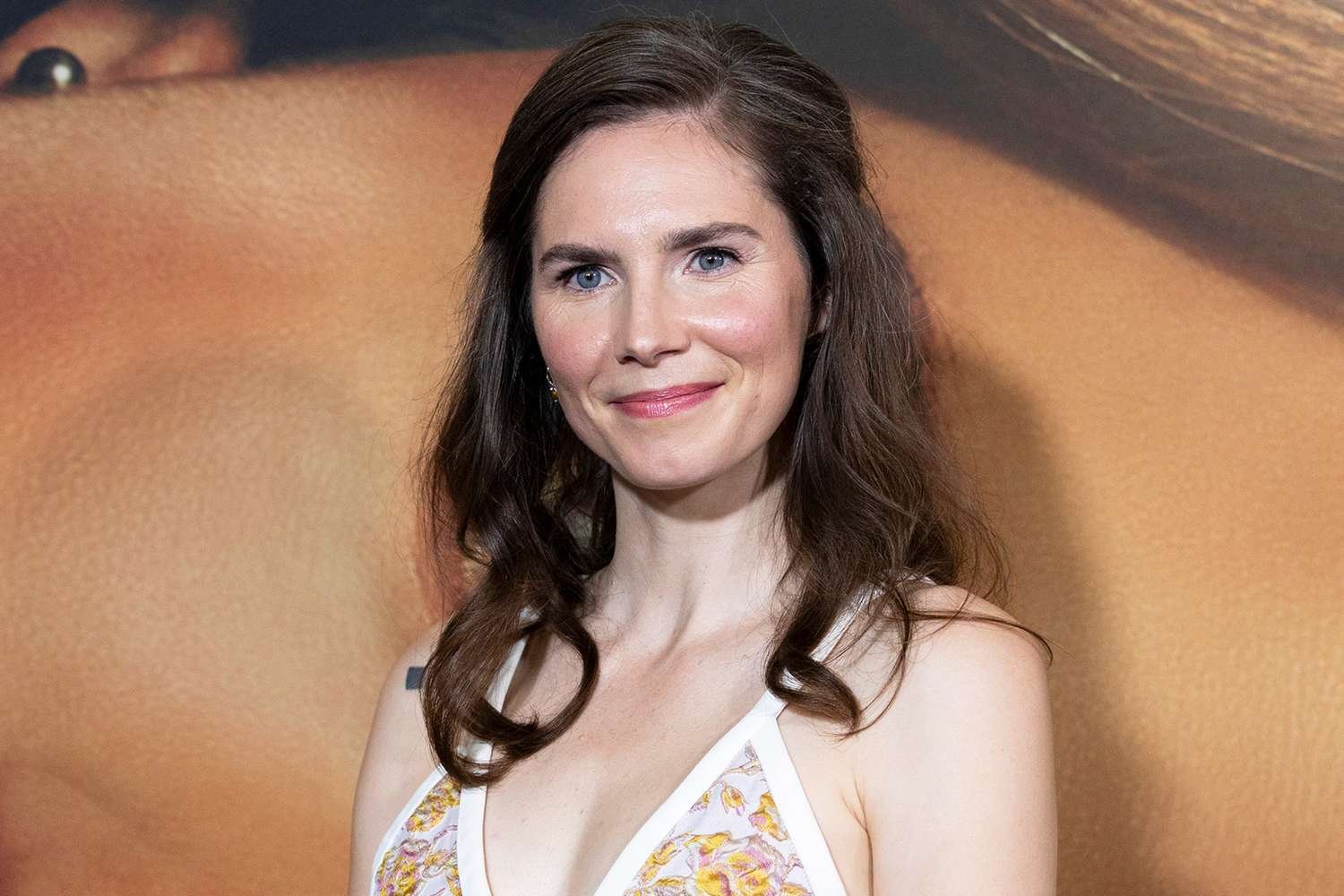
The Amanda Knox Cartwheel comedy show has stirred fresh controversy, pitting Knox’s defense of the project against sharp criticism from Meredith Kercher’s family. Notably, this new series revisits one of the most scrutinized criminal cases of the past two decades. As a result, reactions have split sharply between those who see artistic value and those who see exploitation.
Amanda Knox Cartwheel Comedy Show Draws Mixed Reactions
Amanda Knox spent years fighting wrongful murder charges tied to her roommate’s tragic death in Italy. Meredith Kercher, a British student, was killed in 2007, and Knox was initially convicted before being fully exonerated years later. Consequently, her story became global tabloid fodder, inspiring documentaries, books, and now, a scripted comedy series.
The new show, titled “Cartwheel,” reimagines elements of Knox’s ordeal through a comedic lens. Knox has publicly defended the project, insisting it honors Kercher’s memory rather than mocking the tragedy. However, not everyone agrees with that framing, especially those closest to the victim.
Kercher’s Sister Pushes Back Strongly
Meredith Kercher’s sister has openly criticized the series, arguing it disrespects her sister’s legacy. In her view, turning a murder investigation into comedic entertainment feels deeply inappropriate. Furthermore, she believes the show prioritizes spectacle over the reality of her family’s loss.
Her objections highlight a recurring tension in true-crime adaptations. Victims’ families often feel sidelined when their tragedies become source material for entertainment. Meanwhile, creators argue that revisiting these stories can offer new perspectives or corrective narratives.
Amanda Knox Defends the Project’s Intentions
Amanda Knox insists “Cartwheel” was never designed to trivialize Kercher’s death. Instead, she describes the show as an attempt to reclaim her own narrative after years of public distortion. According to Knox, the series focuses on systemic failures within the investigation rather than the murder itself.
She has also emphasized her involvement in shaping the show’s tone and message. Therefore, she views her participation as a safeguard against exploitative storytelling. In contrast, critics argue that comedic framing inherently risks minimizing the tragedy’s severity.
Why This Debate Resonates Beyond One Show
This clash reflects a broader cultural debate around true-crime entertainment. Audiences increasingly consume dramatized versions of real tragedies, often blurring lines between education and exploitation. As a result, questions about consent, sensitivity, and artistic responsibility keep resurfacing.
Several key concerns emerge from this controversy:
- Whether comedic tone can coexist respectfully with tragic subject matter
- How much creative control survivors should hold over their own stories
- Whether victims’ families deserve veto power in adaptations
- How audiences interpret intent versus impact in true-crime media
Notably, these questions rarely have simple answers. Every stakeholder brings different emotional stakes to the conversation, which complicates any universal judgment.
Balancing Artistic Freedom With Ethical Responsibility
Creators pursuing true-crime projects face a delicate balancing act. On one hand, storytelling can shed light on flawed justice systems, as Knox suggests. On the other hand, ethical storytelling requires sensitivity toward those still grieving real losses.
Consequently, projects like “Cartwheel” will likely continue facing scrutiny long after release. Public reaction may ultimately shape how future creators approach similar sensitive material. Finally, this controversy serves as a reminder that entertainment and real human tragedy rarely separate cleanly.
