
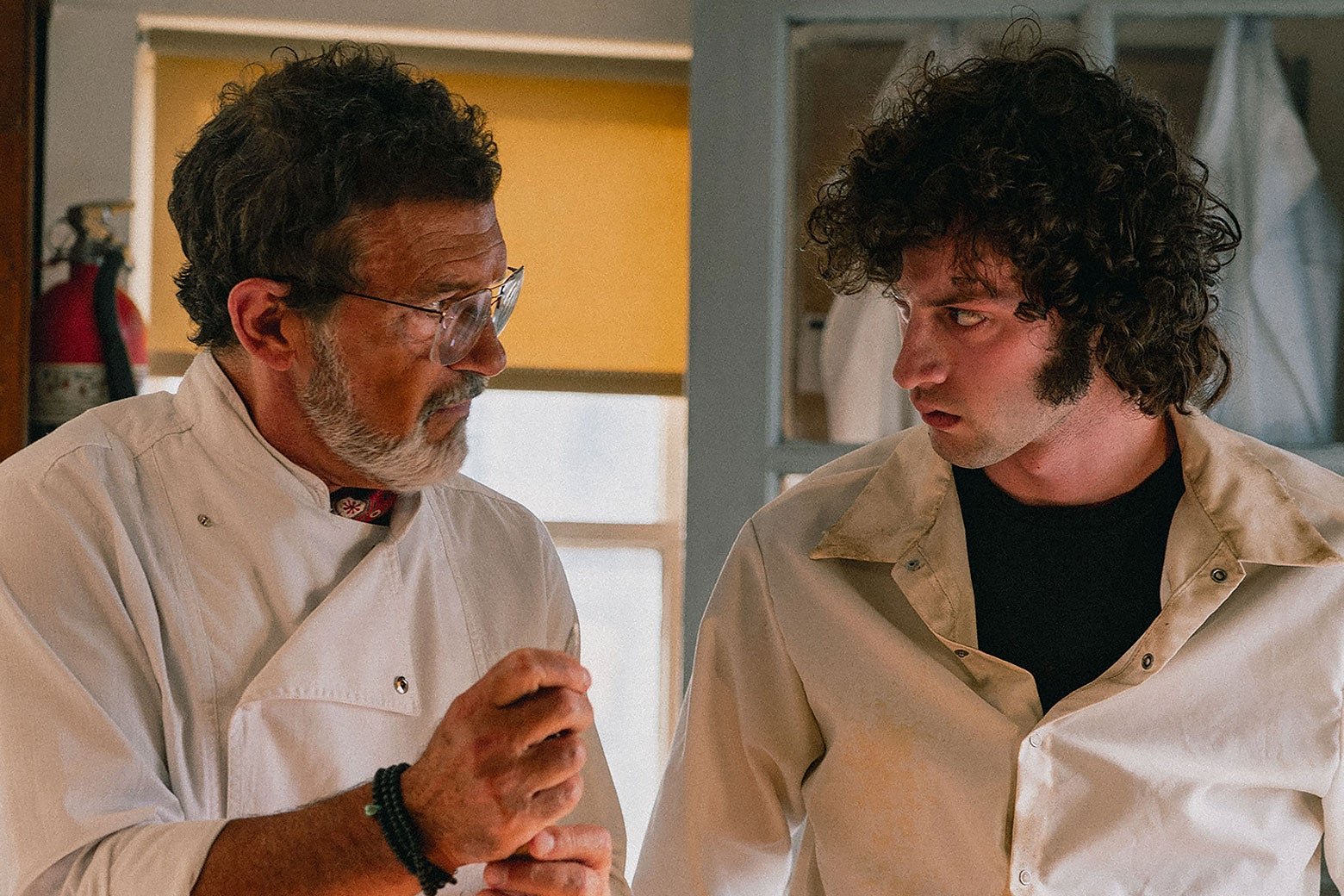
This Anthony Bourdain biopic review arrives with a simple conclusion: the film succeeds where many feared it would fail. Honoring a cultural icon on screen often invites disaster. However, a rising young actor and a filmmaker riding serious momentum have managed to pull it off.
Anthony Bourdain Biopic Review: Why This Portrait Works
Capturing someone as beloved as Bourdain sounds like an impossible task on paper. His voice, his restlessness, and his contradictions became public property long before his death. Consequently, any actor stepping into that role faces enormous expectations from viewers who feel personally connected to him.
Yet this film sidesteps the usual biopic traps. Instead of chasing a greatest-hits checklist of Bourdain’s career, the movie narrows its focus. As a result, it feels intimate rather than exhaustive, personal rather than encyclopedic.
The Actor Who Rises to the Occasion
The lead performance carries much of the film’s weight. Notably, the young actor cast as Bourdain avoids simple mimicry. Instead, he channels the essence of the man—his restless curiosity, his self-doubt, his sharp wit—without turning the role into an impression.
This distinction matters enormously in biographical filmmaking. Meanwhile, audiences familiar with Bourdain’s real mannerisms could easily spot a hollow imitation. Therefore, the actor’s choice to prioritize emotional truth over surface accuracy pays off throughout the runtime.
A Filmmaker on a Hot Streak
Behind the camera, the director brings a distinct sensibility shaped by recent successes. His prior work already showed a knack for blending humor with sincerity. In this project, that balance becomes even sharper.
The direction never lingers too long on sentimentality. Instead, it trusts small moments—a glance, a pause, a half-finished sentence—to carry emotional weight. Furthermore, the pacing keeps the film tight, avoiding the bloated runtimes common to many prestige biopics.
Several choices stand out as particularly effective:
- A restrained script that resists over-explaining Bourdain’s psychology
- Editing that mirrors his restless, globe-trotting energy
- A visual style that favors texture and mood over glossy polish
- Supporting performances that never compete with the central portrayal
Together, these elements create a film that feels compact yet layered. In contrast to sprawling biopics that try to cover decades of a life, this movie chooses depth over breadth.
Why the Film Resonates With Bourdain’s Legacy
Bourdain’s appeal always came from his honesty about his own flaws. He never pretended to have life figured out, and audiences loved him for it. This film honors that same spirit rather than sanitizing it for mass appeal.
Additionally, the movie resists turning grief into spectacle. Given how much public mourning followed Bourdain’s death, that restraint feels especially meaningful. The filmmakers clearly understood that respect sometimes means holding back.
Finally, the film earns its emotional payoff through patience rather than manipulation. It doesn’t rush toward tears or force sentimental music cues. Instead, it lets the story breathe, trusting viewers to feel the weight of Bourdain’s life without heavy-handed prompting.
This Anthony Bourdain biopic review ultimately lands on genuine praise. The film proves that a beloved, complicated figure can be honored on screen without losing his humanity. Through a committed lead performance and confident direction, it becomes something rare: a small, focused film that feels complete rather than compromised.
