

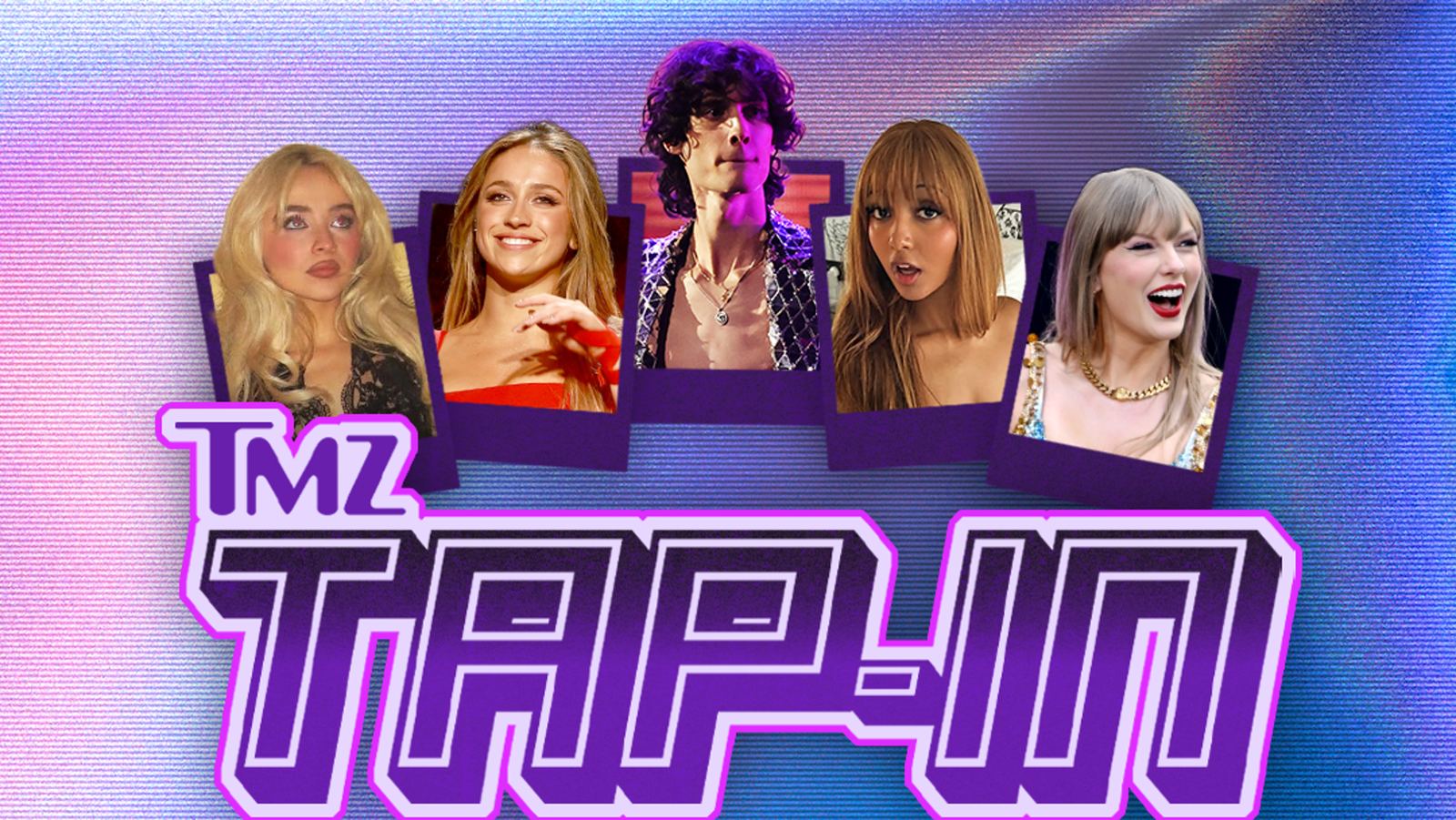
Gen Z music trends are capturing attention like never before, with figures such as Sabrina Carpenter and Tate McRae making remarkable waves in the industry. Amidst the dynamic digital landscape, music preferences of Generation Z are not only influencing charts but also redefining the way we engage with sound.
Unveiling Gen Z Music Trends
For Millennials, Boomers, and Gen X-ers seeking to understand the current musical landscape, the impact of Gen Z is undeniable. This generation brings fresh perspectives and novel approaches to music consumption. With social media and streaming platforms at their fingertips, Gen Z showcases an affinity for diverse-genre exploration and rapid discovery of new artists.
Influential Artists Shaping the Scene
Sabrina Carpenter, a notable figure among Gen Z, combines her multifaceted talents to captivate audiences worldwide. Her unique style and authentic storytelling resonate deeply with her fans, illustrating the importance of genuine connection in today’s music industry. Meanwhile, Tate McRae delivers performances that reflect both raw emotion and lyrical depth, underlining the emotional resonance that Gen Z demands from their musical icons.
Digital Platforms and Discoverability
With the rise of apps like TikTok, Gen Z artists have found novel avenues to share their work with global audiences. The algorithm-driven nature of these platforms helps new talents gain visibility quickly and engage with listeners in real-time. Consequently, this has transformed traditional music channels, prompting a shift toward more interactive and instant forms of artist-fan interaction.
Moreover, digital platforms offer artists comprehensive data on listener preferences, enabling them to tailor their content to specific audience segments. This revolutionary change highlights the tech-savvy nature of Gen Z, favoring instant access and direct communication over conventional methods of music consumption.
Engagement and Artist-Fan Relationship
The relationship between artists and their audience has evolved, moving from mere listener dynamics to intricate engagement processes. Gen Z expects more than just music; they seek stories and experiences that resonate with their values and lifestyles. Online interactions provide a window into artists’ personal lives, strengthening these connections and fostering a sense of community.
This enhanced interaction showcases Gen Z’s preference for transparency and authenticity, urging artists to maintain personal engagement through regular updates, interactive sessions, and live streams. The two-way communication facilitated by digital mediums is a crucial element in solidifying durable fan relationships and extending an artist’s reach.
The Future of Music with Gen Z
As Gen Z continues to dictate music trends, industry stakeholders must adapt to their unique preferences and consumption habits. Emphasizing hybrid experiences that integrate music with other creative stimuli offers opportunities for deeper engagement. Furthermore, the sustainable practices embraced by this generation suggest a future where environmental considerations will play a larger role in industry decisions.
In conclusion, Gen Z is not merely part of the current audience—they are the artists, trendsetters, and innovation drivers in the music industry. By understanding their desires and leveraging technology to meet these expectations, the future of music stands poised for unprecedented transformation and growth.
