

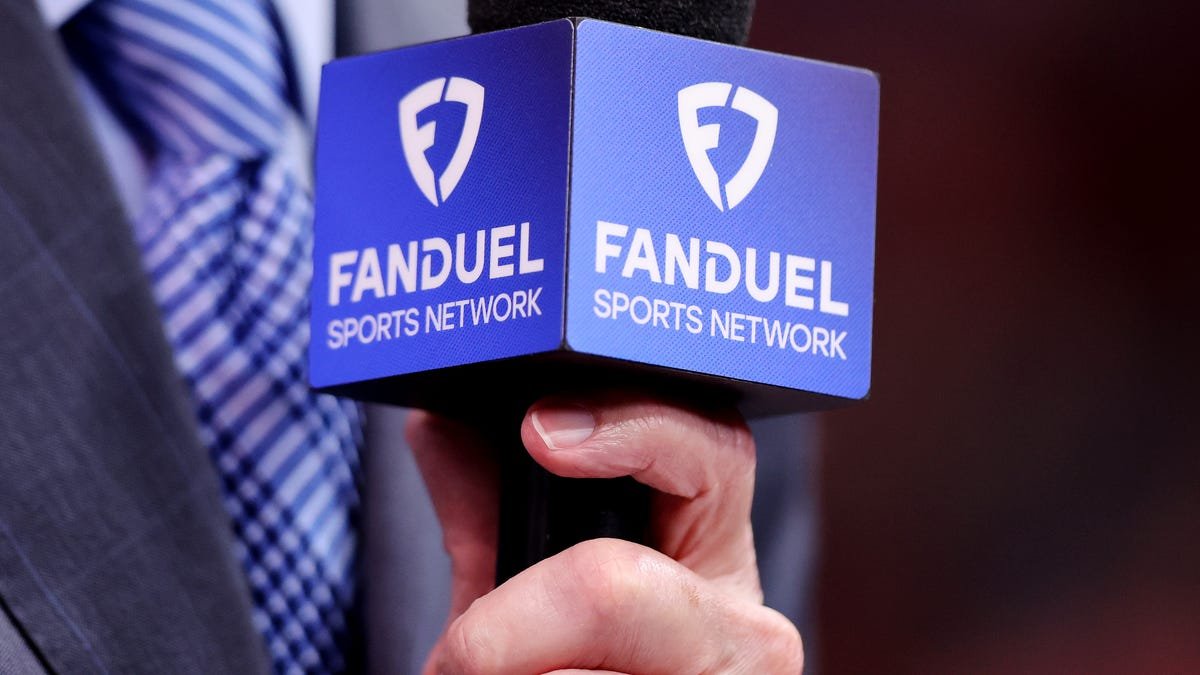
Cleveland Cavaliers fans are noticing significant shifts as the team’s local television coverage undergoes change. The FanDuel Sports Network, which had been the familiar face of the Cavaliers’ games, concluded its local broadcasts with the end of the regular season. This transition heralds a new era where sports viewing might come at a steeper price. However, this isn’t just about a single network’s departure. The broader landscape of television sports broadcasting is evolving, reflecting a trend toward increased costs for access.
Cleveland Cavaliers TV Changes
These changes have raised concerns among local fans who are facing an uncertain future in terms of how they will watch their favorite team. The departure of FanDuel Sports Network isn’t an isolated incident. Instead, it signals a reshaping of how sports content is distributed and consumed, directly impacting viewers’ wallets. As the landscape shifts, traditional methods are being challenged by emerging technological and business models. Fans now encounter a complex web of subscription services and potential blackouts, hindering their ability to access games affordably and conveniently.
Understanding the New Viewing Environment
To navigate these changes effectively, fans need to grasp how the sports broadcasting industry is evolving. Television providers are shifting strategies, with many leaning heavily on streaming platforms to reach audiences. This evolution offers some advantages, such as increased accessibility and viewing flexibility. However, it also poses challenges, as accessing multiple services can become costly. As a result, some fans might choose to forego watching games altogether due to the prohibitive costs involved in subscribing to multiple platforms just to catch all games. These shifts mirror broader television industry dynamics highlighted in Canceled renewed TV shows April 2026 updates, where changing viewer habits continue to reshape content delivery.
Implications for Local Viewers
For local sports audiences, the shift away from traditional cable options can be both a blessing and a burden. While streaming promises broader access, it often comes with fragmented offerings, requiring several subscriptions to keep up with one’s favorite teams. This fragmentation can lead to a confusing and sometimes more expensive viewing experience. Therefore, while there is potential for greater access, fans must carefully weigh the costs associated with adopting new technologies and the reality of needing multiple services for comprehensive game access.
It’s crucial for sports enthusiasts to stay informed and adapt to these changes strategically. By understanding the shifting dynamics of sports broadcasting, fans can make informed choices that align with both their viewing preferences and budgetary constraints. Therefore, evaluating different streaming services and bundling options becomes an essential step in continuing to support and enjoy their favorite teams.

1 Comment
Pingback: Ticketmaster antitrust violation verdict rocks industry - actorwall.com