

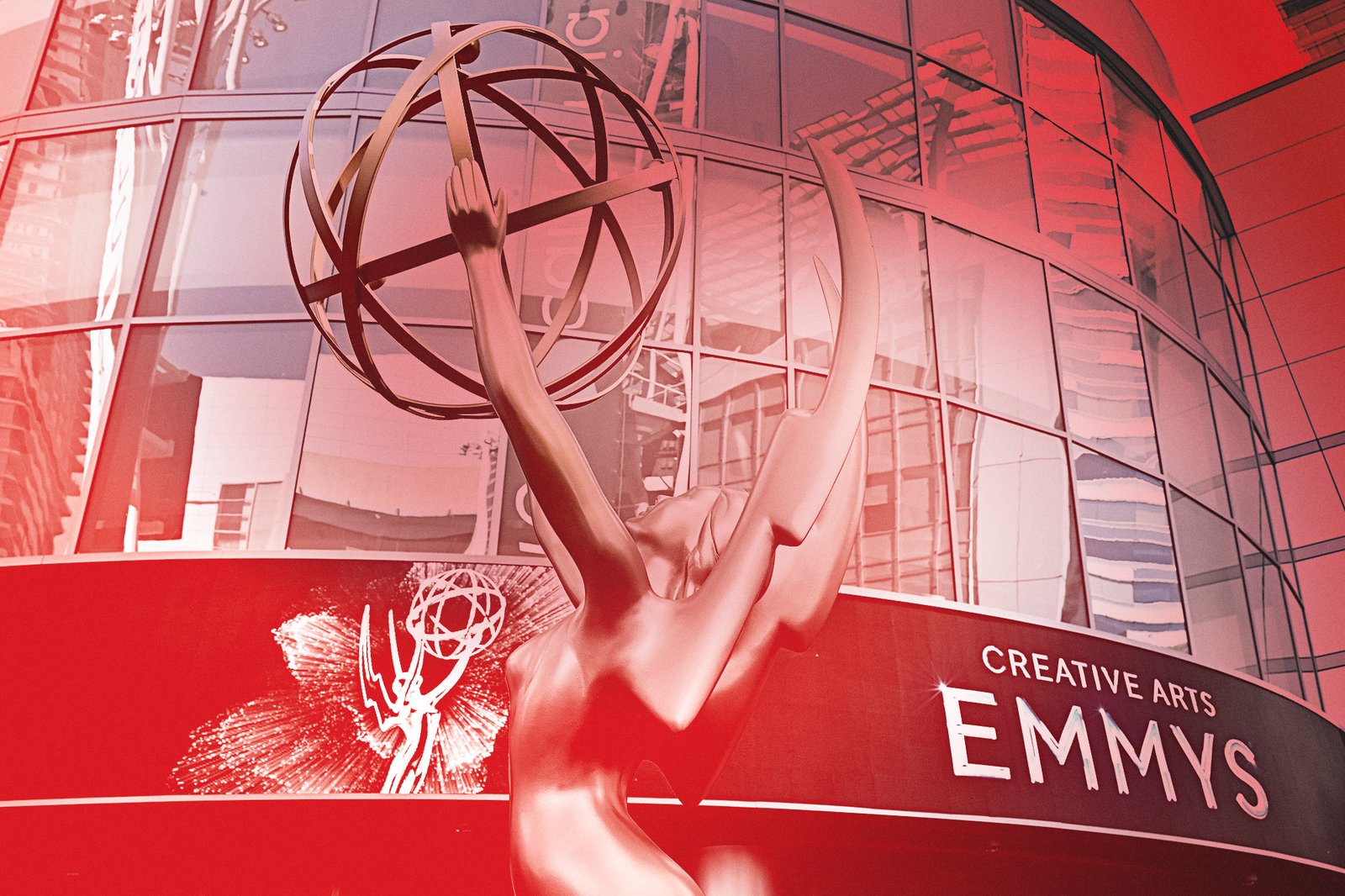
Emmy Creative Arts Category Changes have stirred fresh tension inside television’s awards ecosystem this season. Television Academy chief Maury McIntyre recently addressed the shake-up head-on, acknowledging that reactions among nominees remain mixed. Some insiders feel energized by the reforms; others, notably, feel sidelined.
Emmy Creative Arts Category Changes Explained
McIntyre didn’t sugarcoat the situation. He admitted plainly that “not everyone’s hunky-dory” about the restructuring. Additionally, he emphasized that any major overhaul to a decades-old system invites friction, especially among longtime contenders.
The category shifts touch how certain crafts and achievements get recognized. Consequently, some nominees who previously competed in familiar lanes now find themselves navigating unfamiliar territory. As a result, confusion and frustration have surfaced across parts of the industry.
Why the Restructuring Happened
Television Academy leadership framed the changes as necessary modernization. Meanwhile, the sheer volume of submissions across streaming, cable, and broadcast has strained the old category framework. Therefore, officials argued that consolidation and realignment were overdue.
However, not every stakeholder agrees with the timing or the execution. Furthermore, several nominees have voiced concern that their work now competes in categories that feel mismatched. In contrast, other participants view the changes as a fair attempt to modernize outdated groupings.
Industry Reaction and Rights Deal Context
Beyond the category debate, McIntyre also touched on the Emmys’ broader rights deal discussions. These negotiations shape how the ceremony gets broadcast and monetized going forward. Notably, this business dimension adds another layer of pressure to an already complicated awards season.
Nominees and industry watchers alike are weighing how these business decisions intersect with creative recognition. Consequently, some observers argue that commercial priorities are influencing structural choices more than artistic considerations.
- Category consolidations affecting craft-based awards
- Nominee pushback over perceived mismatches
- Ongoing rights deal negotiations shaping broadcast strategy
- Academy leadership defending changes as necessary modernization
What Comes Next for Nominees
Looking ahead, the Television Academy appears committed to its current path despite pushback. Finally, McIntyre suggested that further adjustments could arrive in future seasons as feedback continues rolling in. Therefore, this year’s ceremony may serve as a testing ground for longer-term reform.
In the meantime, nominees will simply have to adapt to the new landscape. However, many in the industry remain hopeful that continued dialogue between the Academy and creative professionals will smooth future transitions.
