
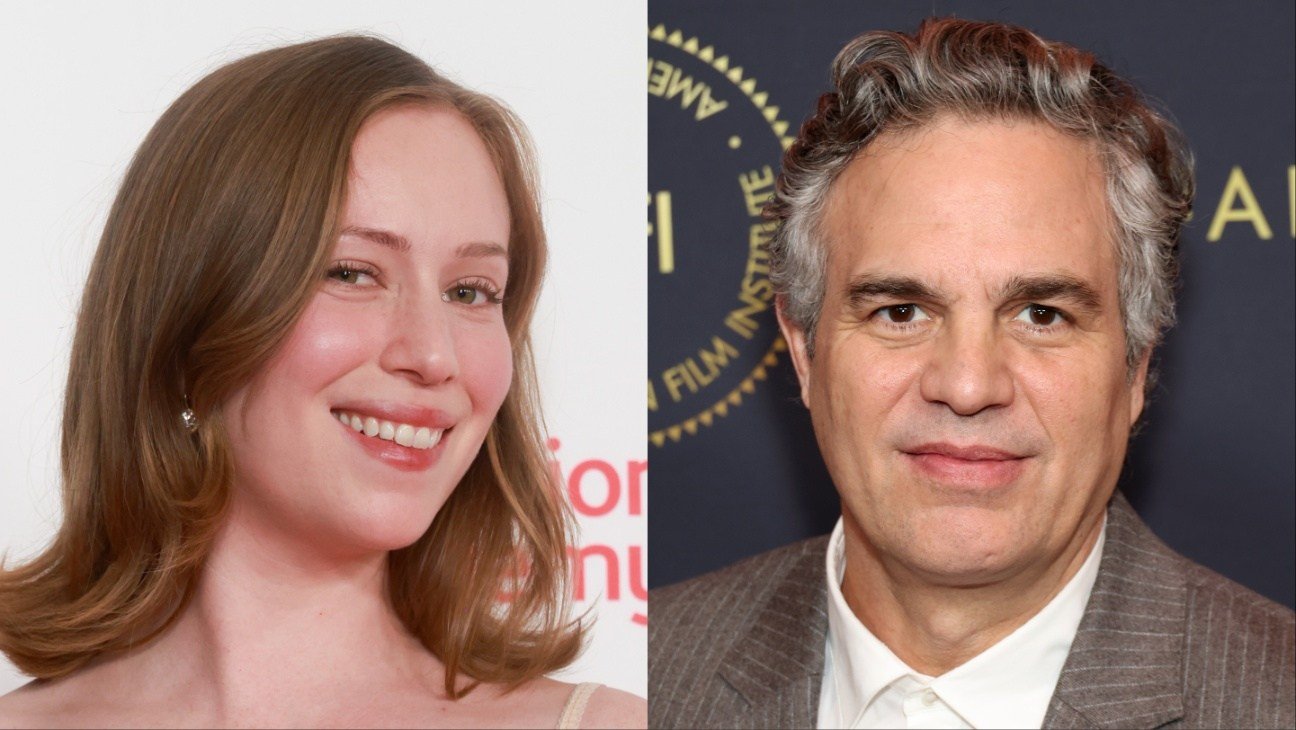
Hannah Einbinder defends Ruffalo publicly, pushing back against criticism aimed at the actor over his stance on the Paramount-Warner Bros. Discovery merger. The Emmy-winning “Hacks” star used her platform to speak up for her colleague. Notably, she framed his activism as a fight for everyday workers in Hollywood, not a personal grudge.
Hannah Einbinder Defends Ruffalo Against Paramount Criticism
Mark Ruffalo has openly opposed the merger between Paramount and Warner Bros. Discovery. As a result, he found himself targeted by critics tied to the deal. However, Einbinder quickly stepped in to counter that narrative.
She argued that Ruffalo’s opposition stems from genuine concern for industry workers. Furthermore, she suggested his motives go beyond self-interest. In her view, he stands up for people who rarely get a voice in corporate boardrooms.
Why the Merger Sparked Backlash
The Paramount-Warner Bros. Discovery merger has stirred unease across Hollywood. Many industry figures worry about job losses and reduced creative independence. Consequently, actors and creators have started speaking out against the deal’s potential consequences.
Ruffalo emerged as one of the more vocal critics. Meanwhile, his comments drew sharp responses from those connected to the merger’s leadership, including David Ellison. This tension set the stage for a larger public debate.
Einbinder’s Broader Message on Workers’ Rights
Einbinder didn’t stop at defending Ruffalo alone. Instead, she connected his actions to a larger fight for working-class professionals in entertainment. Therefore, her comments carried weight beyond a simple celebrity dispute.
She emphasized that Hollywood’s labor force often lacks protection during major corporate shifts. As a result, she believes voices like Ruffalo’s matter more than ever. Additionally, she referenced the wider political context tied to his activism, including his comments on Gaza.
- Ruffalo publicly opposed the Paramount-Warner Bros. Discovery merger
- Critics linked to the deal pushed back against him
- Einbinder defended his stance as pro-worker activism
- She tied his advocacy to broader industry labor concerns
In contrast to those dismissing Ruffalo’s criticism, Einbinder positioned him as a defender of ordinary industry workers. Finally, her comments highlight how celebrity activism increasingly intersects with corporate accountability in Hollywood. This exchange signals that debates over media consolidation are far from over.
