

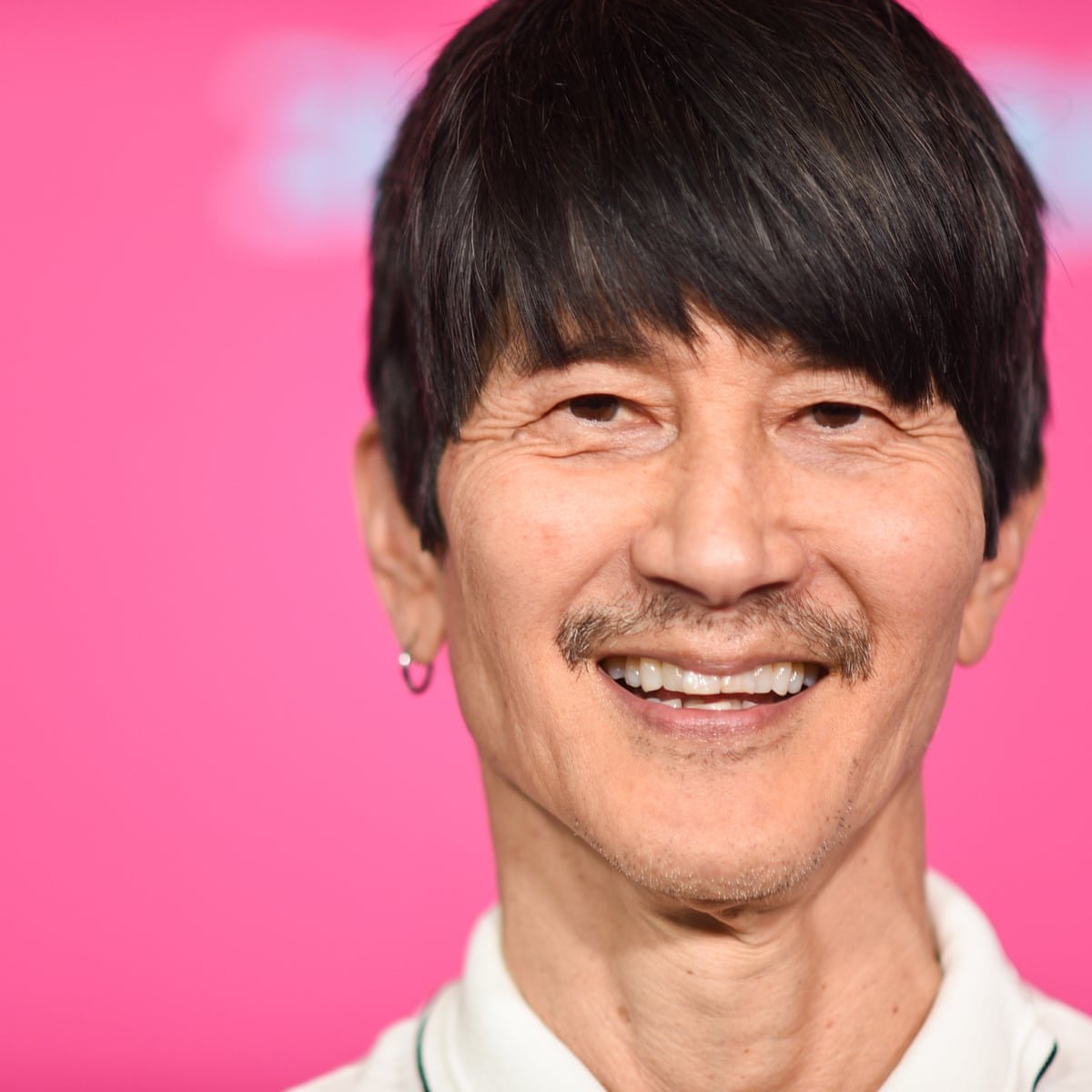
Gregg Araki I Want Your Sex marks the director’s twelfth feature, and true to form, he refuses to soften his message. Decades into his career, Araki still frames sexual repression as the root of society’s deepest wounds. Consequently, his newest film arrives as both a provocation and a personal manifesto.
Gregg Araki I Want Your Sex Explores Desire As Rebellion
Araki built his reputation on films that treat queerness and desire as forces of resistance. Notably, his early work in the New Queer Cinema movement rejected mainstream respectability politics entirely. Instead, he embraced chaos, sexuality, and youthful defiance as artistic tools.
With this latest project, Araki returns to familiar territory but with renewed urgency. Furthermore, he suggests that repression, not liberation, causes societal harm. In his view, denying sexual expression fuels anger, violence, and dysfunction across culture.
The Filmmaker’s Long History With Queer Storytelling
Araki emerged during a period when queer cinema barely existed in mainstream spaces. Therefore, his films often served as rare mirrors for LGBTQ audiences. Movies like his earlier cult classics challenged audiences directly, refusing easy comfort.
Meanwhile, critics frequently labeled his style as provocative or excessive. However, Araki has always maintained that discomfort serves a purpose. As a result, his films consistently push viewers past passive viewing into active reflection.
Why I Want Your Sex Feels Urgent Today
In today’s cultural climate, conversations about sexuality remain fraught with tension. Consequently, Araki sees his new film as necessary rather than nostalgic. He argues that sexual honesty still threatens systems built on control.
Additionally, the director connects personal liberation to broader political resistance. In his framing, embracing desire becomes an act of defiance against repression. Finally, he insists that silence around sex only deepens societal harm.
Key Themes Running Through The Film
- Sexual repression as a source of societal dysfunction
- Queer identity as an act of resistance
- Desire framed as personal and political liberation
- Discomfort used deliberately to provoke reflection
These themes echo throughout Araki’s decades-long career. However, this film distills them into a sharper, more direct statement. As a result, longtime fans and newcomers alike may find it unusually confrontational.
Ultimately, Gregg Araki I Want Your Sex reaffirms his artistic mission. Repression, he argues, breeds cruelty, while honesty about desire creates freedom. In contrast to safer modern narratives, Araki remains committed to discomfort as a form of truth-telling.
