

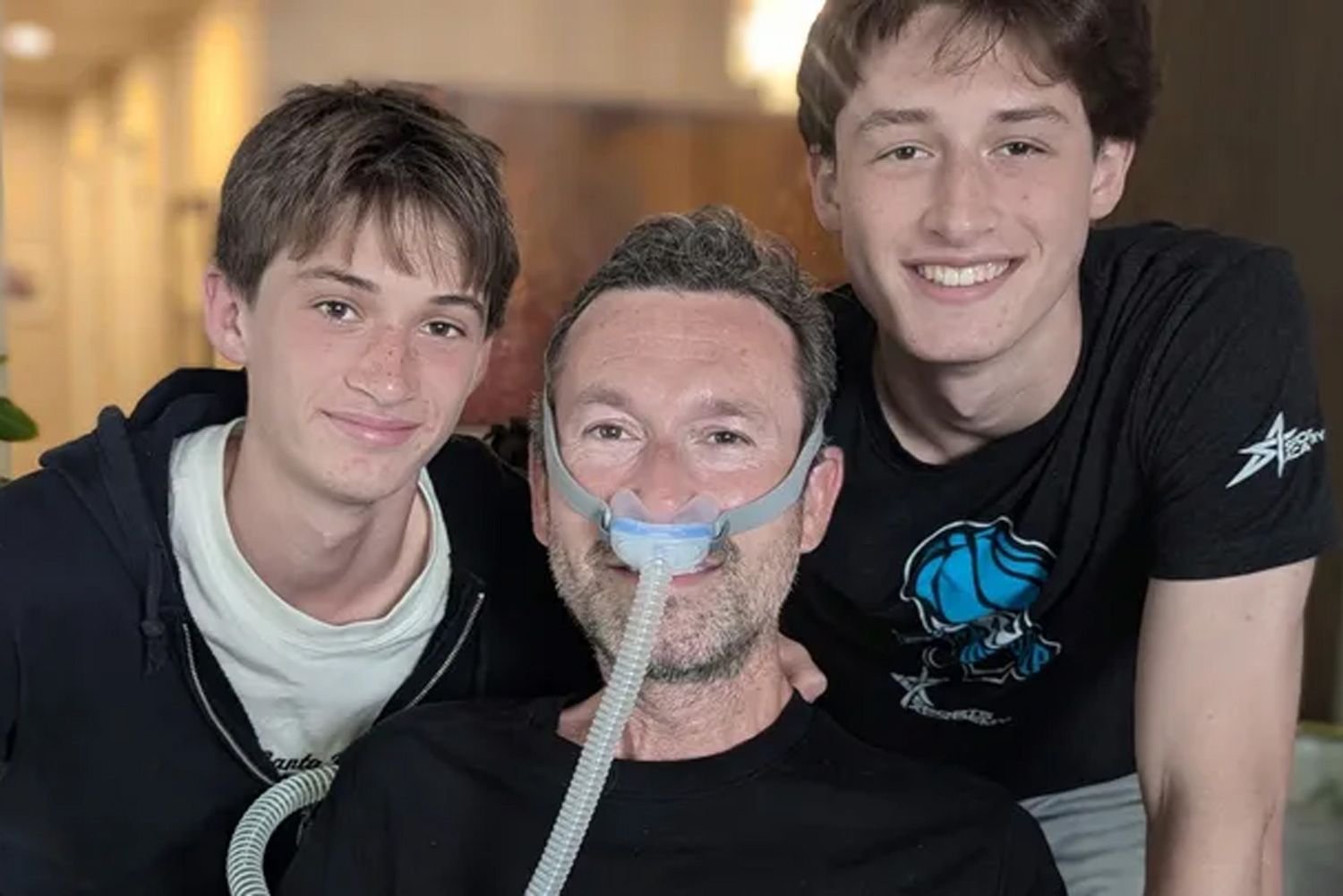
The financial burden of ALS care imposes tremendous challenges, as seen in the story of Broadway actor Aaron Lazar. His struggle with this progressive disease highlights the soaring costs of essential medical support and constant care. To address these overwhelming expenses, Lazar’s family has initiated a GoFundMe campaign. This effort underscores the substantial fiscal demands families face when a loved one battles ALS.
ALS, also known as Lou Gehrig’s disease, progressively weakens the muscles, ultimately impacting mobility and independence. As diseases such as ALS advance, patients like Lazar require round-the-clock assistance and specialized medical equipment. These needs lead to costs that can easily exceed $300,000 annually, compelling families to seek alternative funding sources to manage these expenses.
Understanding the ALS Care Financial Burden
For those unacquainted with ALS, it’s crucial to comprehend the extensive care requirements that accompany the disease’s progression. Initially, individuals may start with minor assistance but eventually need comprehensive support to manage daily activities. Medical professionals, physical therapy, and personal care aides become indispensable—each contributing to escalating costs.
Medical and Support Costs Escalation
Developing a robust support network is essential for those affected by ALS. However, this network involves significant expenses. From hiring skilled caregivers to purchasing advanced medical equipment, families must navigate a complex financial landscape. Notably, insurance may only cover a fraction of these costs, leaving families to bridge the financial gap.
Exploring Funding Options
Consequently, families often turn to alternative funding methods, such as crowdfunding, to manage financial strains. Initiating a GoFundMe campaign has become a lifeline for many, offering a platform to rally community support. This strategy not only helps alleviate financial pressure but also raises awareness of the daily realities faced by ALS patients and their families.
Meanwhile, acknowledging the psychological and emotional weight of these financial challenges is essential. Families find themselves juggling emotional stress with monetary concerns, and community backing can provide much-needed relief. Fundraising efforts not only offset costs but also foster a sense of solidarity.
Ultimately, as Aaron Lazar’s experience illustrates, the fight against ALS demands more than medical intervention. It necessitates comprehensive financial planning and community engagement. By leveraging diverse funding sources and fostering awareness, families can better navigate the complex journey of ALS care.
