

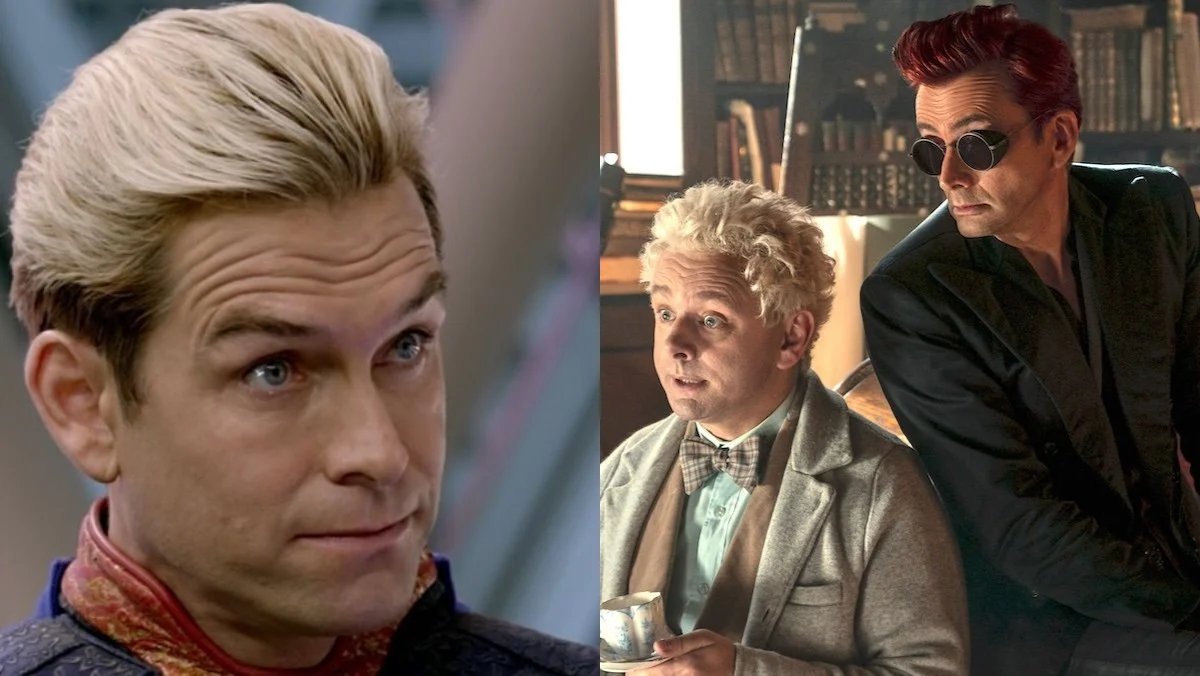
During 2026, TV shows reaching their end or facing cancellation are likely to dominate entertainment discussions. This pivotal moment is both a time to celebrate beloved series and lament those cut short. As the curtain falls on these narratives, it’s important to evaluate their impact on audiences and the television landscape.
TV Shows Concluding in 2026
The decision to end a TV show can stem from various factors such as storytelling arcs reaching their natural end or declining viewership making continuation unsustainable. In 2026, several series will take their final bow, leaving behind memorable legacies. Notably, some shows will wrap up after successfully completing their narratives, allowing fans closure.
Challenges of Cancellations
Cancellation, however, is another story. These shows, often halted abruptly, leave fans yearning for resolution. Networks generally cancel shows not meeting expectations in ratings or lacking critical acclaim. As seen with Netflix 2026 show cancellations spark viewer shock, audience reactions can be intense when favorite series are suddenly pulled. Nevertheless, passionate fanbases can sometimes inspire network executives to reconsider, often leading to revivals or spin-offs.
Reflecting on Completed Arcs
For series concluding naturally, viewers enjoy a rare closure with storylines intentionally crafted to deliver satisfying conclusions. These endings are not only a tribute to dedicated fans but also a testament to creative teams achieving their visions. Consequently, the emphasis is on fulfilling narratives rather than sudden endings.
Meanwhile, transitioning shows concluding in 2026 into spinoffs or new formats can add further dimensions to well-known characters or plots. This evolution maintains engagement with audiences who might not be ready to part ways with their favorite on-screen worlds.
- Comprehensive Storytelling: When TV shows wrap up, fans experience narratives with deliberate pacing and conclusive arcs.
- Emotional Resonance: Viewers often form deep attachments; endings provide a chance to reconcile storylines emotionally.
Navigating Cancellations
Navigating cancellations requires networks to address viewer sentiments thoughtfully. Frustrations may arise when shows end prematurely, leaving unanswered questions. However, audience feedback can influence decisions regarding potential revivals, highlighting modern television’s interactive nature.
As 2026 progresses, notable departures from TV landscapes will remind us of these dynamics. Thus, the year marks a significant period in television, offering a mix of conclusive moments and new beginnings in storytelling.

2 Comments
Pingback: Netflix stranger things ratings soar to new heights - actorwall.com
Pingback: Season 10 9-1-1 future: abc's latest announcement - actorwall.com