

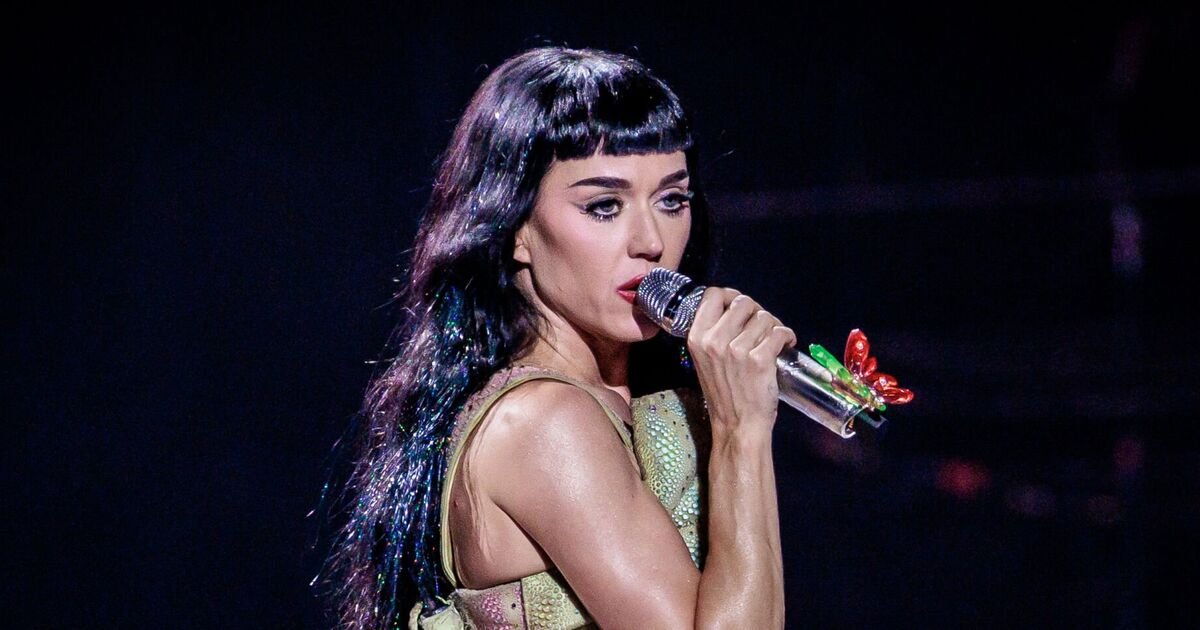
Katy Perry’s selection as the opening performer for the 2026 FIFA World Cup has ignited a global conversation about the potential impact of entertainment choices, leading to a discussion on boycotting the celebrated sporting event. Fans and soccer enthusiasts alike are weighing in on this controversial decision. In highlighting the role of celebrity appearances in such high-profile events, let’s delve into how this announcement has stirred public opinion.
Katy Perry World Cup Boycott
The announcement of Katy Perry performing at the World Cup has been met with mixed reactions. While some fans celebrate the pop star’s participation, others feel differently, prompting calls for a boycott. This division raises questions about the influence of celebrity culture on international events. Consequently, the dialogue has expanded beyond entertainment, touching on broader issues. Similar celebrity-driven debates have emerged in cases like the Billie eilish meat controversy ignites social media debate, where public opinion quickly became polarized.
Public Response to Katy Perry’s Involvement
The news of Katy Perry as the opening act sparked an immediate reaction. Critics argue that her involvement takes focus away from the cultural elements traditionally associated with the World Cup. Nevertheless, supporters point out her global appeal and the entertainment value she brings to the event. This polarization has turned a simple performance into a larger debate.
Implications of a Boycott
Calls for a boycott underline a growing sentiment among viewers who feel entertainment choices should reflect the values of the sport. Notably, these calls suggest that fans are looking for more than just entertainment from such events—they seek authenticity and cultural representation. In contrast, others believe that Katy Perry’s inclusion may draw in a wider audience, ultimately benefiting the event.
Ultimately, the reaction to Katy Perry’s announcement as the World Cup’s opening performer highlights the complex relationship between entertainment and cultural representation in sports. This debate underscores the vital role public opinion plays in shaping the future of such internationally significant events.
