

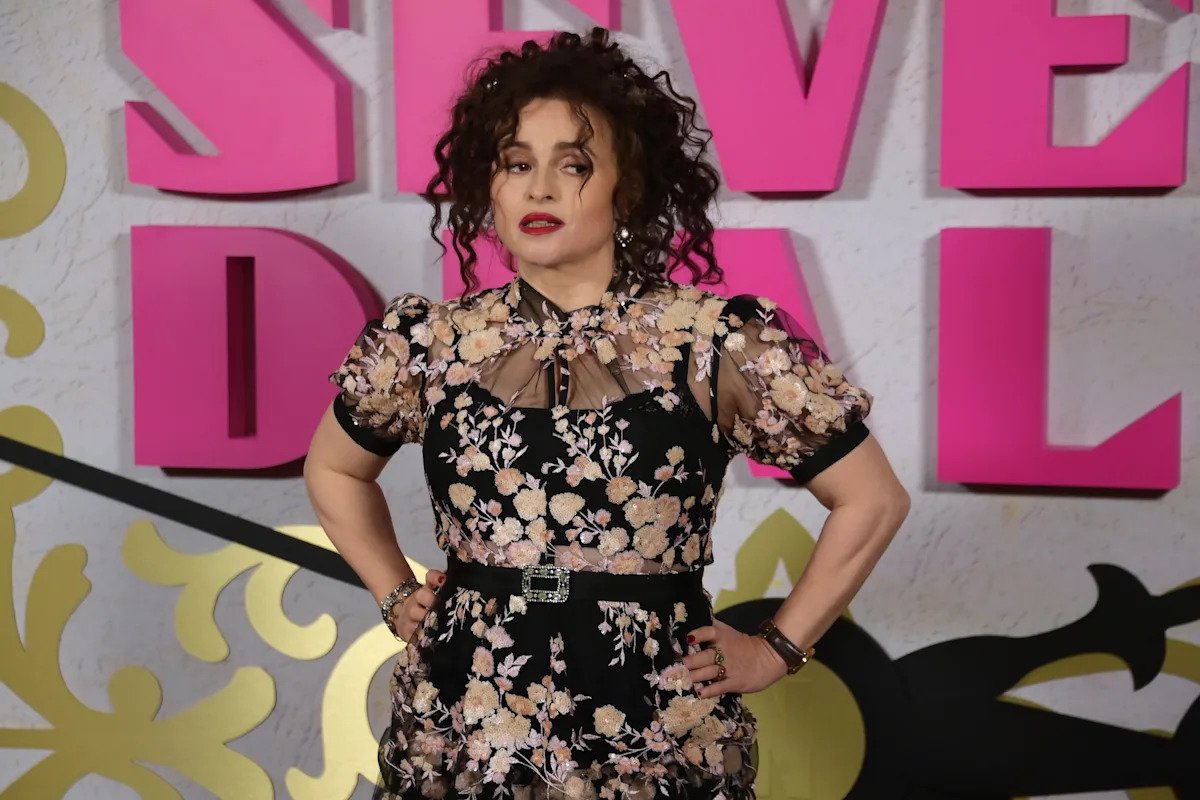
Helena Bonham Carter’s unexpected departure from the role in ‘The White Lotus’ Season Four has sparked curiosity about the alignment and planning behind such high-profile casting decisions. Within days of filming, HBO announced that the role “did not align” with the actress once on set, prompting a re-evaluation and subsequent re-casting of the part. This development underscores the importance of ensuring that both actor and role are well-matched to maintain the integrity and vision of the series.
Helena Bonham Carter White Lotus Departure
Bonham Carter’s exit from ‘The White Lotus’ brings to light the complexities involved in casting for dynamic television roles. Ensuring that an actor’s interpretation aligns with the creative direction is crucial, and deviations can lead to significant changes, as evidenced by the rethinking of this role. Similar behind-the-scenes shifts, such as the Dutton ranch showrunner change before premiere, highlight how creative alignment can impact a production’s trajectory.
Casting Challenges in High-Stakes TV Shows
Casting a major television series involves significant stakes. Creators must balance artistic requirements with actor compatibility. When the chosen performer and the character clash, as in Bonham Carter’s case, the result may necessitate rewriting roles to preserve a seamless narrative.
The Impact and Process of Recasting
Recasting can be a complex process, affecting both production timelines and creative storytelling. It involves more than finding a new actor; it sometimes requires re-envisioning elements of the script to maintain coherence within the series’ universe. Such decisions can lead to delays but are taken to safeguard the show’s overarching quality.
Overall, Helena Bonham Carter’s swift departure from ‘The White Lotus’ illustrates the multifaceted considerations of television production. Casting choices must reflect narrative goals, ensuring both actor and character contribute to a cohesive and immersive viewing experience.
