

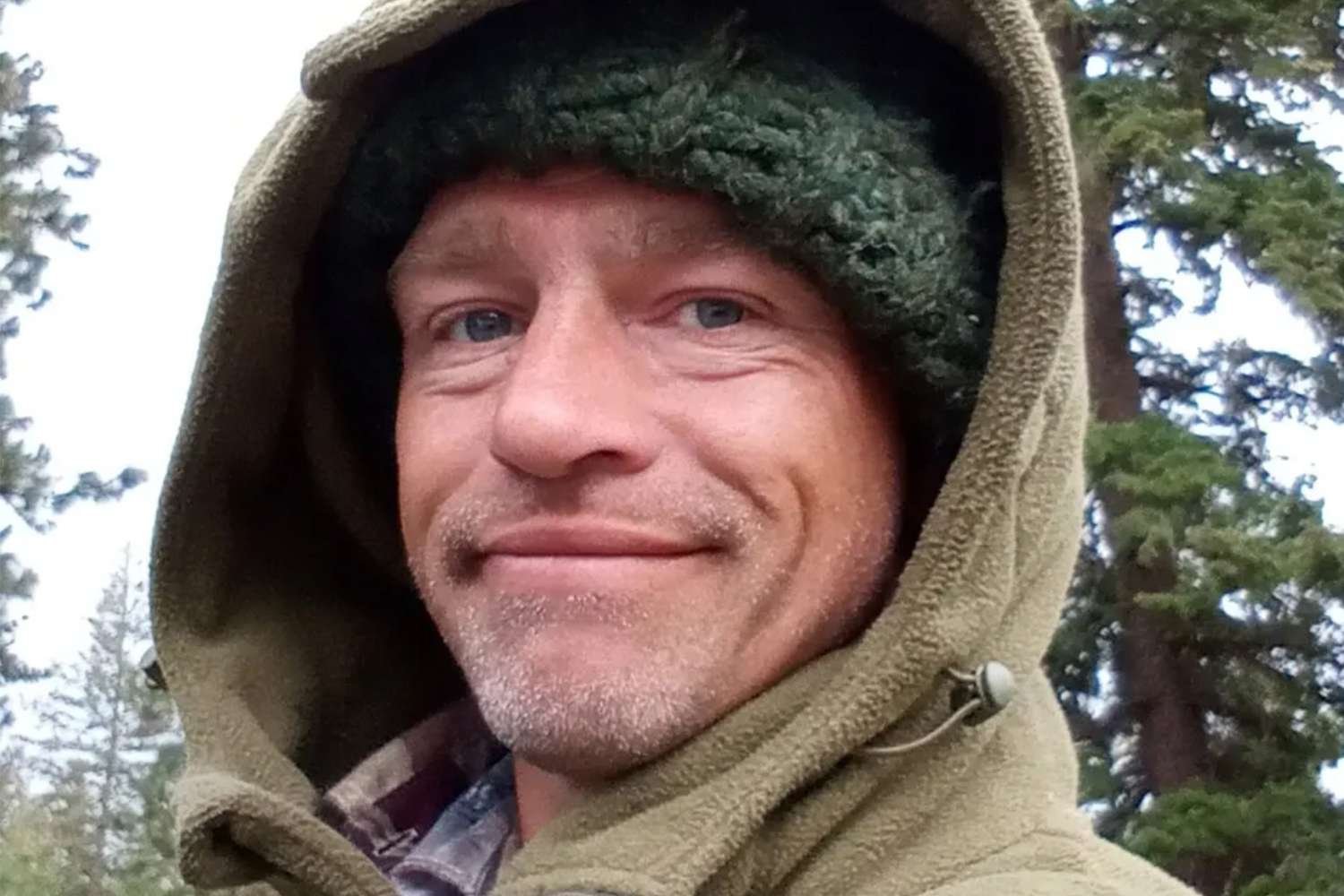
The news of Matt Brown’s sudden death has sent shockwaves through fans of “Alaskan Bush People,” as the tragedy unfolded in Washington. Discovered by his youngest sibling Noah, Matt’s untimely demise at 42 years has sparked profound reflections on the fragility of life. This heartbreaking incident serves as a poignant reminder of the deeper struggles many face beyond public attention.
Alaskan Bush People Tragedy: The Unexpected Passing of Matt Brown
Matt Brown, a prominent figure from the popular show “Alaskan Bush People,” was found lifeless by the serene riverbanks. His brother, Noah, had the somber task of pulling him from the water, marking a tragic moment for their family. In a statement, brother Bear emphasized the enduring impact of words, cautioning against their potential harm. “Words can hurt more than fists,” he remarked, underscoring the emotional scars that often accompany such personal battles.
Emotion Runs Deep in the Brown Family
The Brown family, known for their resilience and unique lifestyle, now confronts a new chapter marred by loss. The reality series, which documented their off-grid Alaskan adventures, resonated with viewers for its raw portrayal of survival and familial bonds. However, this recent event sheds light on the unseen burdens carried by Matt, away from the cameras. It’s a stark illustration of how struggles with mental health and personal demons often lurk beneath the surface of public personas.
Reflecting on the Impact and Significance
This heartbreaking development calls for greater awareness around mental health, particularly for those in the public eye. Matt’s passing not only highlights the ongoing internal battles many face but also stresses the need for empathy and support systems. For fans and family alike, the tragedy is a call to action, emphasizing the importance of reaching out and listening to loved ones.
In memory of Matt Brown, “Alaskan Bush People” fans and viewers are reminded of the enduring strength of compassion and understanding. This tragedy, while deeply painful, serves as a critical opportunity to foster conversations on mental well-being, both within families and across broader communities.
