

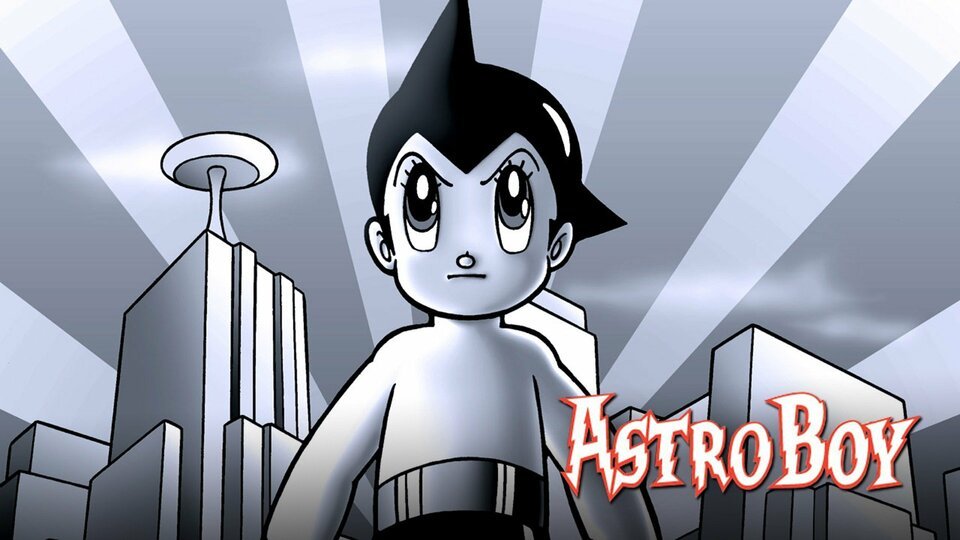
Astro Boy, a pioneering sci-fi television show from 1963, stands as a classic in the science fiction genre. However, the question remains: Is it timeless or does it seem outdated? Created by Osamu Tezuka, often hailed as the “God of Manga,” Astro Boy introduced audiences to a futuristic world led by the titular child robot. Despite its age, the show holds a special place in history, being the first of its kind to bring Japanese anime to Western screens.
Astro Boy Sci Fi Classic
The show’s enduring appeal can be attributed to several factors. For one, it successfully tapped into the futuristic vision that characterized much of the 1960s’ optimism about technology. Astro Boy outlined narratives involving advanced robotics and the ethical dilemmas they spurred, topics still relevant today and echoed in modern Project Hail Mary movie review discussions. In addition, its aesthetic, characterized by bold graphics and imaginative storytelling, set a precedent that many future animations would follow.
Character Development and Legacy
Astro Boy himself is more than just a machine; he embodies human emotions and struggles that resonate with audiences. Over his many episodes, viewers see him grapple with themes of identity and humanity. His creators depicted him as a symbol of hope, a sentiment that resonates across generations. Consequently, the character has seen many iterations, sustaining his relevance in modern pop culture.
Impact and Modern Perception
Though created over six decades ago, Astro Boy remains an influential part of the sci-fi genre. Remarkably, the themes presented in the show, such as artificial intelligence and ethical concerns, have become even more pertinent today. While some elements, like its animation style, may appear dated by today’s standards, its core exploration of technology’s role in society continues to engage viewers.
The series also laid foundational stones for future anime productions, leading to an industry boom. It inspired many creators to explore more complex narratives and diverse cultural themes. As a result, Astro Boy is often seen not just as a piece of entertainment, but as a beacon for creative exploration within the anime genre.
Conclusion: Timeless or Dated?
Assessing Astro Boy’s position as a classic in sci-fi television reveals its dual nature. On one hand, the outdated animation style might deter some modern viewers. On the other hand, the groundbreaking narratives and character depth secure its place as a visionary piece. Ultimately, its impact on both the anime industry and the larger science fiction universe highlights an enduring legacy that transcends time.

1 Comment
Pingback: Comics inspired TV adventures you need to know - actorwall.com