
Amy Winehouse arrived like a comet: sudden, brilliant, and impossible to ignore. Her contralto voice — steeped in jazz, soul, and raw confession — cut through the gloss of pop and landed in the gut. In a brief but incandescent career she remade modern British music, gave voice to private pain, and wrote songs that felt like intimate confessions. She was adored for her talent and haunted for her troubles. This is the story of a fragile soul who sang her pain and left the world forever changed.
Camden Beginnings: Where Sound and Soul Met
Born in Southgate, London, in 1983, Amy Jade Winehouse grew up surrounded by music. Her father loved soul and jazz records; her mother introduced her to pop and musical theatre. The London neighborhood of Camden — its clubs, its vinyl shops, its rough poetry — became the backdrop for Amy’s early education in sound. By her teens she was writing songs and performing in small venues, her voice already carrying the mature, smoky timbre that would become her signature.
Camden’s DIY culture shaped her. This was not a manufactured pop trajectory; it was formative collisions with real music and real life, where jazz phrases met raw diary-like lyrics. At an early age, Amy made it clear: she was not merely singing hits — she was speaking from the interior.
First Album and Rising Promise
Her debut album, Frank (2003), announced a formidable new presence. Critics praised the record’s jazz-inflected arrangements and her fearless lyricism. Amy’s voice felt older than her years, and she was quickly hailed as a serious artist with deep musical credentials. She toured relentlessly, proving she could command live rooms as easily as studio sessions, and the industry began to take notice.
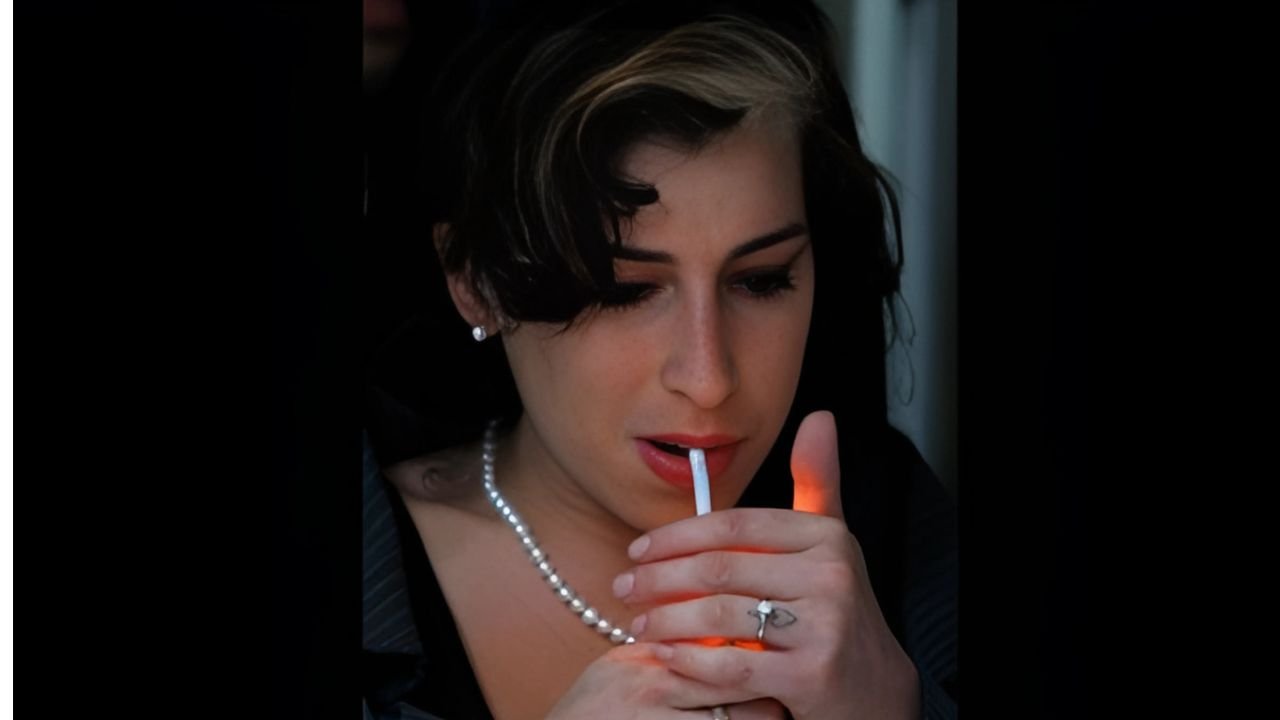
Yet the seeds of her later turmoil were already visible: a bluntness in interviews, a life lived hard and fast, and a personality that refused to be slotted into neat celebrity boxes. Amy’s brilliance came with contradictions — a devotional relationship to music and a self-destructive streak that would grow more public with time.
Back to Black: The Roaring, Heartbreaking Masterpiece
Then came Back to Black (2006), the album that became her defining statement. Produced with Mark Ronson and Salaam Remi, it mixed vintage Motown arrangements with contemporary honesty. Singles like “Rehab,” “You Know I’m No Good,” and the mournful exquisite “Love Is a Losing Game” crystallized a sound that was hauntingly timeless. The album won multiple Grammys, made Amy a global star, and reintroduced classic soul textures to a new generation.
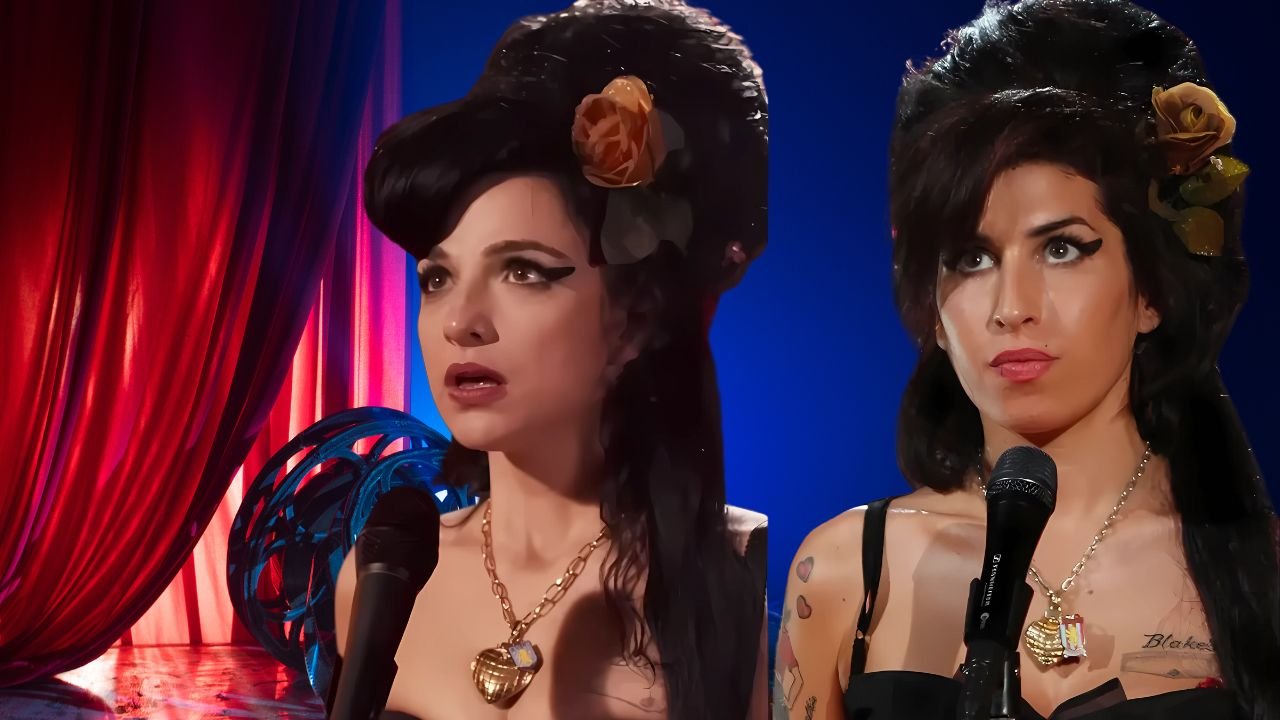
Back to Black was not just a collection of songs; it was a portrait of human fracture rendered with astonishing clarity. The music felt intimate because it was — Amy’s lyrics often read like journal entries: messy, tender, and unvarnished. Audiences responded because they recognized truth in her imperfections.
The Spotlight and the Spiral
Fame intensified pressures that had always been present. Amy’s relationships — particularly with Blake Fielder-Civil — and her struggles with alcohol and drugs became tabloid fodder. Paparazzi chased every stumble; commentary often substituted for empathy. As her vulnerability was turned into spectacle, the songs that once felt private became public evidence of pain.
Her live performances became unpredictable. Critics and fans debated whether to defend her raw authenticity or lament a once-promising career drifting under the weight of addiction. Yet even in troubled performances, there were flashes of the artist who could stop a room cold — a voice that could still break you with a single note.
The Final Years and Tragic Passing
Attempts at comebacks, moments of clarity, and public struggles marked Amy’s final years. She withdrew, then returned, then retreated. On July 23, 2011, Amy Winehouse was found dead at her home in Camden. She was 27. The cause was later recorded as accidental alcohol poisoning. The shock was global; the sense of a life cut brutally short left an imprint beyond the headlines.
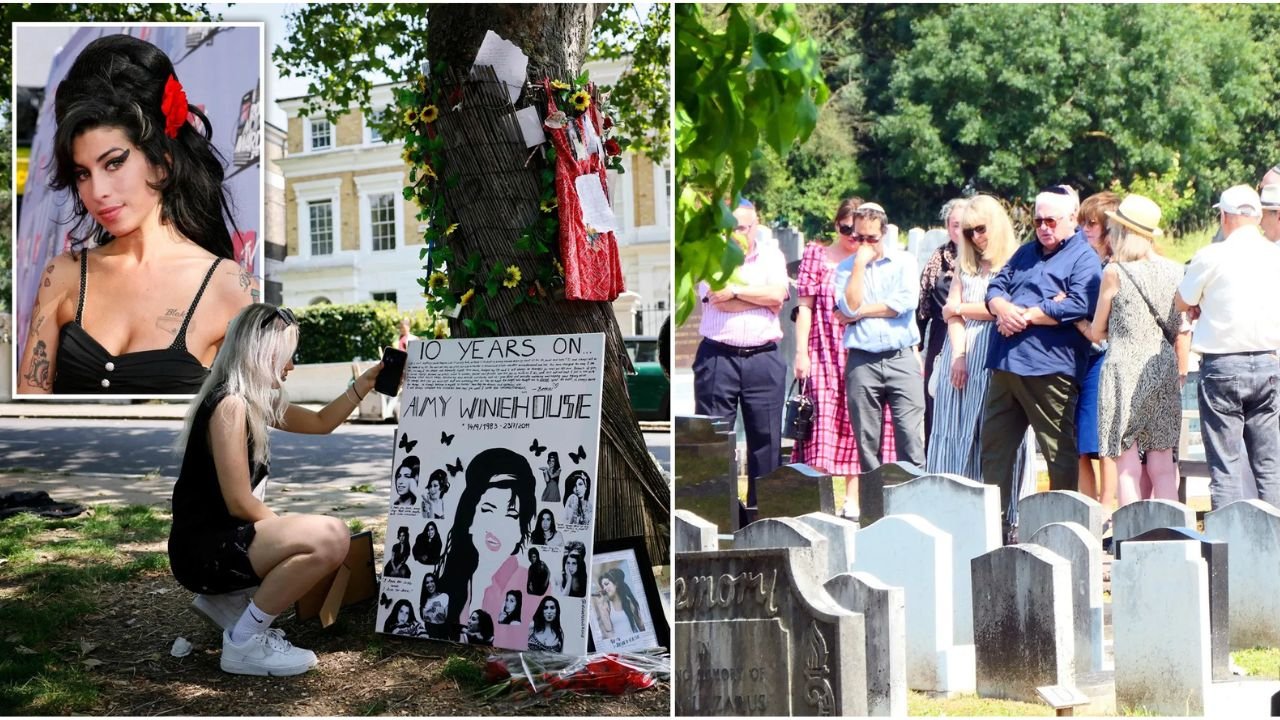
Her death reopened urgent conversations about celebrity culture, media responsibility, and the need for compassionate support for people struggling with addiction. Tributes poured in not only for a fallen star but for a fragile human whose talent had been brutally exposed to public consumption.
Legacy: Influence, Honesty, and a Foundation
Amy’s music continues to influence artists across genres. Her unapologetic songwriting gave permission to be flawed and honest on record. Singers cite her phrasing, her emotional directness, and her fearlessness in mixing jazz sensibilities with pop accessibility. Her work helped re-center soul and jazz influences in mainstream music and reminded audiences that rawness could be commercially and artistically powerful.
In the wake of her passing, her family established the Amy Winehouse Foundation, focused on helping young people with addiction and providing music education — attempts to turn a personal tragedy into institutional support for others. The foundation and countless fans continue to celebrate her art while advocating for better care and understanding of addiction as a health issue rather than tabloid spectacle.
Further Reading: Read our features on voices that shaped generations and music that bares souls to explore artists who transformed pain into art.
Final Reflection: The Voice That Keeps Returning
Amy Winehouse’s life reads like the imperative in her music: love recklessly, sing honestly, and feel everything fully. She gave the world songs that sound like confessions, and in doing so she offered listeners a mirror of their own frailties. Her story is a warning about the costs of commodifying vulnerability, and a reminder of music’s power to transmute suffering into beauty.

We remember her not only for the headlines but for the hush after the final chord — a voice that slips under your ribs and stays there. Though fragile, her music has proven durable; her influence keeps returning to new artists, new listeners, new moments. Amy sang her pain so the rest of us might find our courage to feel it too.