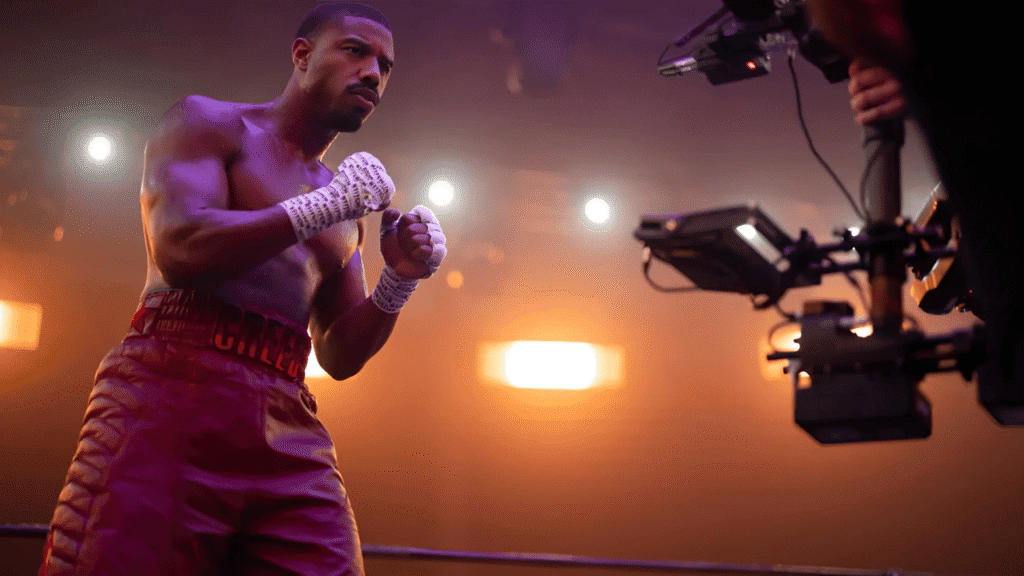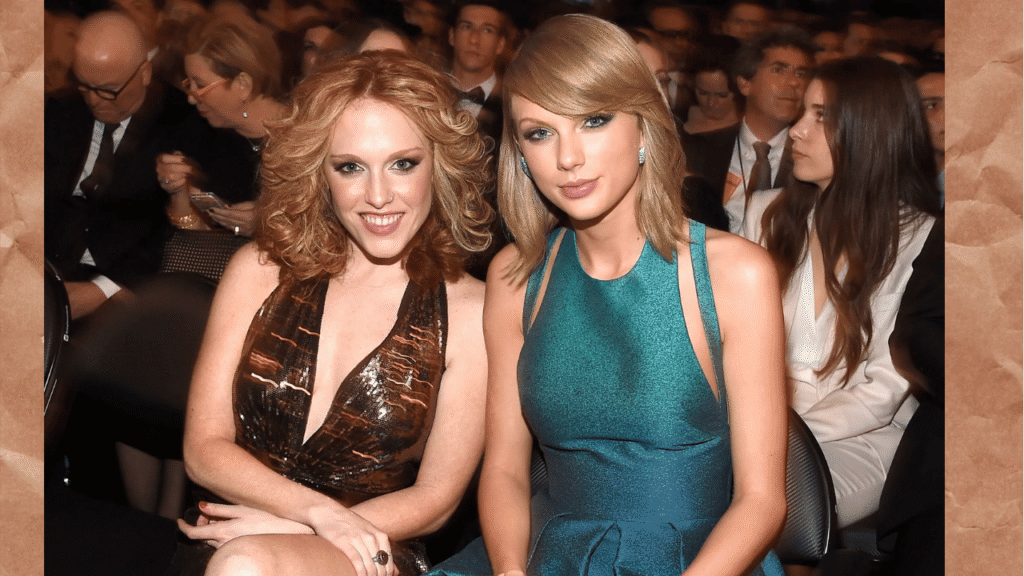
Celebrity controversies are the lifeblood of the internet. From mysterious unfollows to viral awards show reactions, it doesn’t take much for fans to declare that two stars are locked in a bitter feud. In today’s digital culture, even the smallest gestures are magnified, analyzed, and dissected until they resemble Shakespearean drama. But while gossip spreads like wildfire, clarifications often trickle in quietly, revealing stories that are usually less scandalous than the headlines suggest.
In this edition of Controversy Corner, we’re diving into some of the most viral celebrity feuds, spats, and PR controversies of recent years — examining what fans believed, what actually happened, and what those clarifications tell us about fame in the age of constant connectivity.
1. The Cryptic Unfollow
One of the simplest ways a controversy can start is through a social media unfollow. On platforms like Instagram, Twitter, or TikTok, following someone signals approval, alliance, or at least friendliness. An unfollow, on the other hand, is often treated as a declaration of war.
In one recent case, fans noticed that a rising pop sensation had unfollowed a well-established Hollywood actor. This single change sparked an avalanche of speculation. Stan accounts posted screenshots, complete with red circles and arrows, presenting the unfollow as if it were evidence in a true-crime investigation. Theories ranged from personal betrayal to professional rivalry, and within hours, hashtags accusing the two of falling out were trending worldwide.
TikTok added fuel to the fire with dramatic edits. Clips of the two celebrities at past events were stitched together with ominous music and captions like “the downfall of a friendship”. Suddenly, what may have been a minor social media choice became the internet’s favorite soap opera.
The clarification, however, told a different story. Days later, the pop star explained in a magazine interview that they had been “reorganizing their feed” to focus more on close friends and work-related accounts. The actor’s team quietly confirmed the same: “There’s no falling out, no feud.” In reality, the unfollow was a digital housekeeping decision, not the collapse of a relationship.
History is full of similar examples. Rihanna’s unfollowing of Teyana Taylor in 2013 was treated like a major public fallout, while Taylor Swift’s follows and unfollows are so heavily scrutinized that fans treat them as Easter eggs pointing toward future projects. Social media choices, while mundane for most people, carry symbolic weight when celebrities are involved.
The lesson here is that not every unfollow equals animosity. Still, the internet’s obsession with turning these gestures into narratives reveals just how hungry fans are for stories of tension and rivalry.
2. The Music Credit Confusion
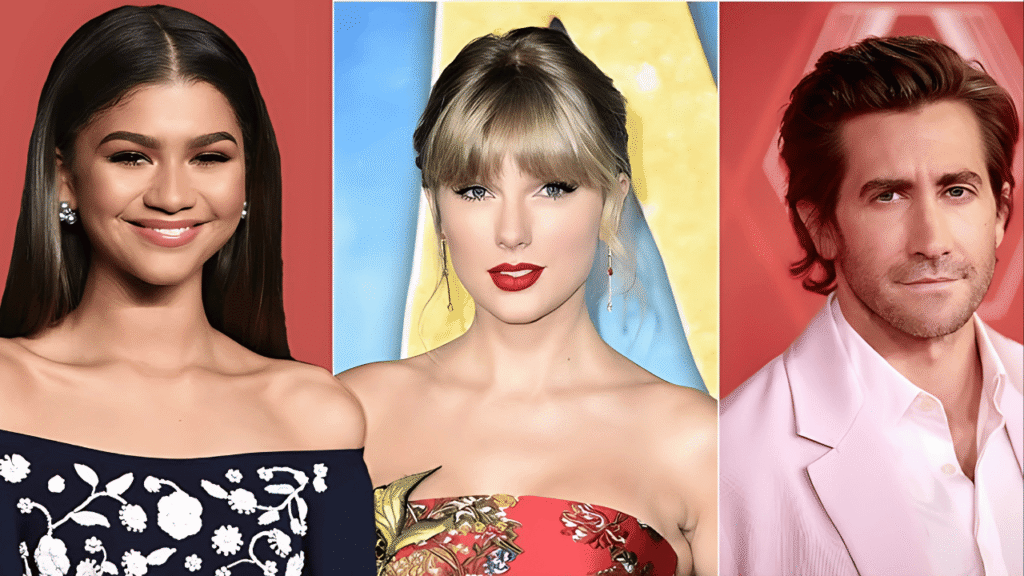
Another common source of controversy is songwriting credit. In the music industry, collaborations often involve multiple producers, writers, and contributors. While these credits are usually handled behind the scenes, delays or oversights can spill into the public eye — and when they do, fans often interpret them as signs of betrayal.
A recent example saw a songwriter make vague public comments suggesting that their contribution to a chart-topping single had not been fully recognized. Fans immediately assumed that the main artist was withholding credit, and social media erupted with accusations of exploitation. Tweets accused the artist of “erasing” collaborators, and hashtags like #CreditTheWriter trended.
Entertainment blogs amplified the drama with clickbait headlines, framing the story as a feud between two creative forces. Yet within days, both camps clarified the situation. The songwriter released a statement explaining that the credits had been delayed due to publishing paperwork and confirmed that there was “mutual respect” with the artist. The artist’s team likewise stated that the songwriter had always been acknowledged and that the credit update was already in motion.
This wasn’t the first time credit disputes made headlines. Olivia Rodrigo, for example, faced scrutiny after fans noticed similarities between her songs and works by artists like Paramore and Taylor Swift. She ultimately gave retroactive credit, explaining that the influences were acknowledged in good faith. Similarly, Ne-Yo’s open discussion of writing for Beyoncé fueled debates in the early 2000s about how much credit superstar performers give to their collaborators.
The clarification in these cases reveals an important truth: the music industry is complex, and delays in crediting often stem from logistical issues, not malice. But fans’ passion and protectiveness over their favorite artists — or against them — can turn paperwork into public drama.
3. The Awards Show Side-Eye
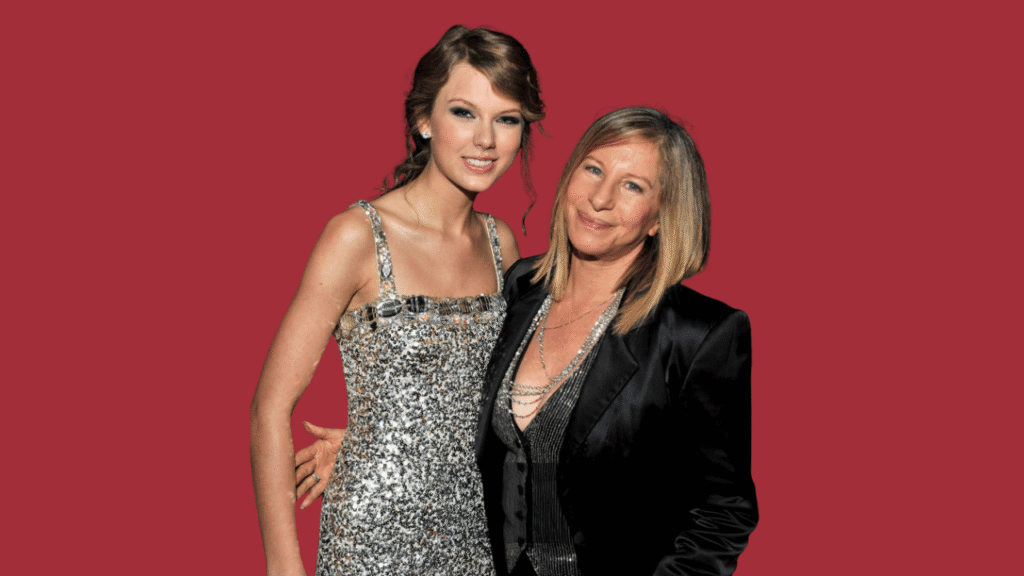
Awards shows are designed to be glamorous celebrations of artistry, but they’re also fertile ground for viral controversies. Reaction shots in particular have a way of sparking feuds that may not exist at all.
During a recent ceremony, cameras caught a celebrity appearing to roll their eyes as another star delivered an emotional acceptance speech. Within minutes, the clip had been turned into GIFs and memes. Twitter labeled it “the ultimate shade,” and TikTok videos slowed down the footage with dramatic music to highlight the supposed slight.
But when the accused star addressed the moment days later on a podcast, the truth was more mundane: the reaction had nothing to do with the speech. “The teleprompter froze,” they explained. “I wasn’t rolling my eyes at anyone.”
This kind of misunderstanding is practically a tradition at awards shows. Nicole Kidman’s unusual “seal clap” at the Oscars became a meme, though she later clarified that she was protecting her jewelry. Similarly, Kanye West’s interruption of Taylor Swift at the 2009 VMAs remains one of the most infamous award show moments ever, spawning a narrative of rivalry that overshadowed the event itself.
Television cameras are quick to cut to audience reactions, but these snippets rarely capture full context. A neutral face can look hostile, a sigh can look disdainful, and a moment of distraction can look like shade. In an age when audiences crave drama, even the smallest gestures are reinterpreted into stories of conflict.
The clarifications may not always go viral, but they remind us that body language is easy to misinterpret when broadcast to millions.
4. The PR Apology Cycle
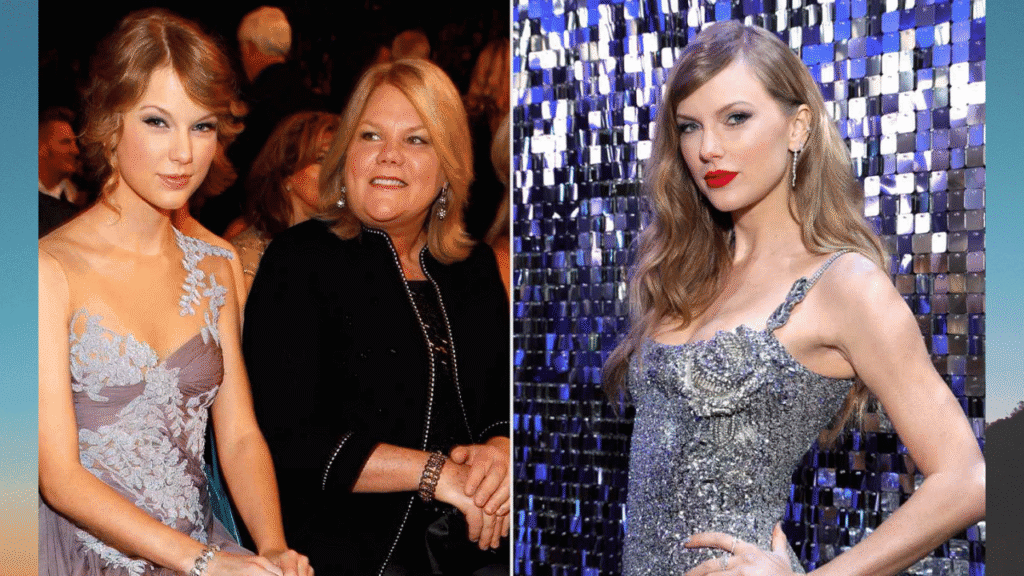
Celebrity endorsements and brand collaborations are lucrative, but they also carry risks. In today’s climate, where audiences are highly sensitive to issues of representation and cultural awareness, missteps can trigger swift backlash.
One recent case involved a celebrity ambassador partnering with a brand on a campaign that fans deemed “tone-deaf.” Social media lit up with criticism, and calls for boycotts spread quickly. Commentators accused the star of being out of touch, while memes mocked the campaign’s imagery.
In less than 48 hours, the celebrity released a public statement acknowledging the criticism. They emphasized that they had “listened to feedback” and were working with the brand to ensure more thoughtful campaigns in the future. The brand itself issued its own apology, promising to improve representation and cultural sensitivity.
This cycle of backlash and apology has become increasingly common. Kendall Jenner’s infamous Pepsi commercial in 2017, which was accused of trivializing protest movements, was pulled almost immediately after backlash. Jenner later expressed regret, while Pepsi apologized for the misstep. Influencers and celebrities posting luxury content during times of crisis have also faced similar waves of criticism, followed by clarifications or apologies.
The pattern is predictable: controversy erupts, apologies follow, and clarifications seek to calm the storm. While not all apologies satisfy critics, the cycle highlights how quickly celebrities and brands must respond in the digital age. One poorly timed campaign can dominate the news cycle, but clarifications and corrections often arrive just as quickly, aiming to reset the narrative.
5. The TikTok Call-Out
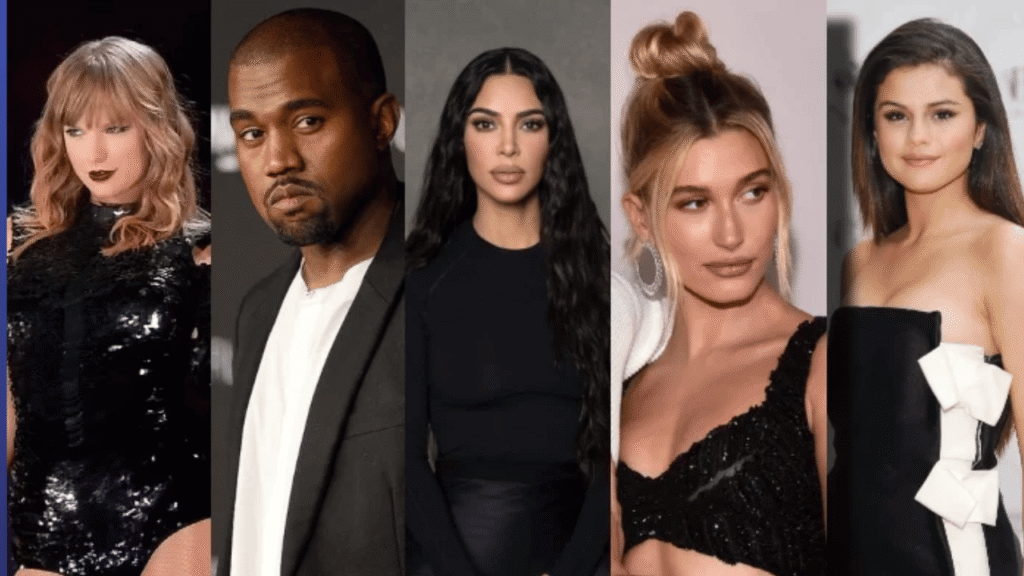
If Twitter thrives on speculation and Instagram on aesthetics, TikTok thrives on drama. Influencers with massive followings know that feuds drive engagement, and call-outs often blur the line between real conflict and performance.
Recently, two top creators found themselves in a viral dispute after one accused the other of copying content ideas. Duets, reaction videos, and subtweets turned the spat into a full-fledged event, with fans picking sides and hashtags drawing millions of views. The feud seemed destined to escalate into long-term rivalry.
And then, just as suddenly, the creators appeared together on a joint livestream. Smiling and laughing, they assured fans that the whole thing had been a misunderstanding. “It’s all love,” one said, insisting that the supposed feud had been blown out of proportion.
This isn’t unusual. On TikTok, feuds often function as collaborative content. Even when tensions are genuine, creators recognize the engagement potential of dramatizing their conflicts. A call-out video can double as a viral marketing tool, while the eventual reconciliation becomes another chapter in the saga.
The clarification — that the feud was either exaggerated or resolved — underscores the performative nature of online controversies. For fans, it’s entertainment. For creators, it’s both a challenge and a strategy.
The Bigger Picture
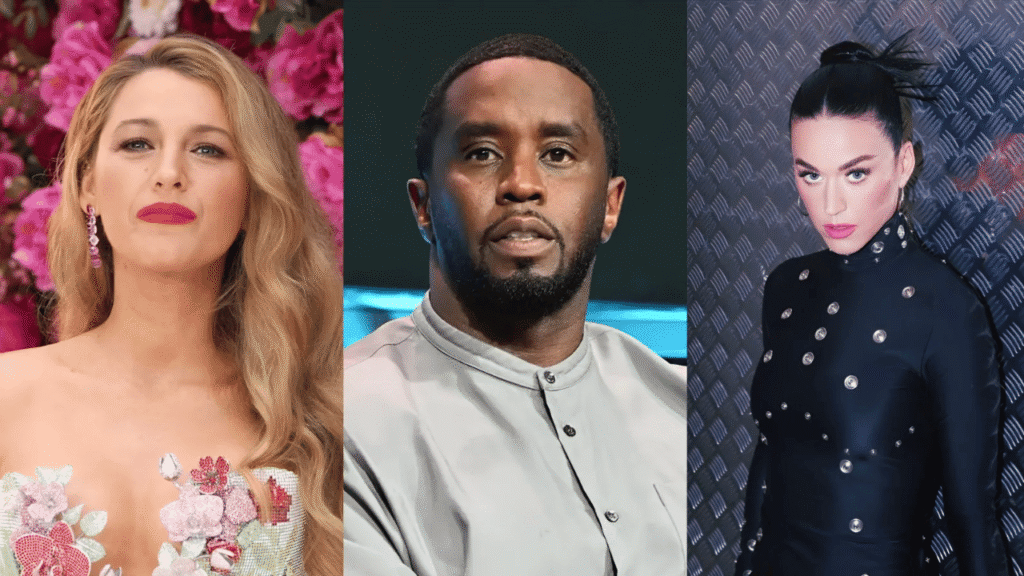
What ties these controversies together is the gap between perception and reality. Online, a single action — an unfollow, a delayed credit, a side-eye, a questionable ad, or a TikTok call-out — can balloon into a full-fledged feud. Fans, gossip accounts, and even mainstream outlets feed the speculation, creating narratives of betrayal, rivalry, and scandal.
Yet time and again, clarifications show a different truth:
- Unfollows are often just personal choices, not declarations of war.
- Credit disputes stem from technical delays, not malice.
- Awards show reactions are misinterpreted by cameras.
- PR blunders are quickly addressed by brands and stars.
- Influencer feuds may be exaggerated or even collaborative.
The internet thrives on spectacle, but the clarifications remind us that most celebrities aren’t secretly at war with one another. They’re navigating careers in a world where every gesture, every partnership, and every reaction is magnified.
For fans, this means enjoying the theater of celebrity culture while remembering that reality is often less scandalous than the trending hashtag suggests. Gossip may be irresistible, but context is always the ultimate clarifier.
Because in the end, the truth might not always be as dramatic — but it’s still the best tea.